How to Manage Loans: Types, Tips, Payback Strategies & Best Rates
2025-11-14

Loan types — simple definitions
▪ Secured loans — tied to collateral (mortgages, auto loans, secured personal loans). Lower rates because lender can recover collateral.
▪ Unsecured loans — no collateral (most personal loans, credit cards). Higher rates, stricter credit checks.
▪ Revolving credit — line of credit / credit cards: available credit that you can reuse as you repay. Interest charged on outstanding balances.
▪ Installment loans — fixed schedule (EMI): mortgages, auto loans, many personal loans.
▪ Student loans — specific terms, sometimes government-subsidized (country-dependent).
▪ Payday/short-term high-cost loans — very short term, extremely high APR; risky.

What to consider before taking any loan
Purpose & alternatives — Is it for investment (house, business) or consumption (vacation)? For consumption, prefer saving.
Total cost (APR/EIR) — Look beyond headline rate: include processing fees, insurance, prepay penalties, compounding method. APR or EIR expresses total yearly cost.
Fixed vs floating — Fixed gives certainty; floating can be cheaper now but can rise when policy rates move.
Loan-to-value (LTV) & tenure — Higher LTV (borrow higher %) → higher cost or PMI/insurance for mortgages. Longer tenure reduces monthly payment but increases total interest.
Your cashflow & emergency buffer — Have 3–6 months of expenses before taking non-essential debt.
Credit score / documentation — Better profile nets better offers.
Prepayment & foreclosure terms — Can you overpay without penalties? This matters for faster payoff.
Purpose fit — Use secured/long-term loans for assets that appreciate (home, business equipment). Don’t use amortizing loans for short-term liquidity needs if cheaper alternatives exist.
Comparison Table by Country & Product
| Country | Product Type | Indicative Interest Rate Range | Key Notes / Caveats |
| United States | 30-yr fixed mortgage | ~ 6.24% for 30-yr fixed mortgage. | Rates vary by credit, down-payment, region; consumer personal loans may have much higher rates. |
| Personal (unsecured) loan | Varies widely, many in double-digits (e.g., ~10-30% depending on credit) | Riskier borrowers pay higher; high APRs for subprime. | |
| India | Personal loan | ~ 9.99% to ~16%+ p.a. | Depends strongly on credit score, employment type, caste of bank. |
| Home loan / mortgage | Market dependant on MCLR/REPO; varies widely. | Should check latest mortgage headline rates in India. | |
| Canada | Personal loan | ~ 6%–24% typical range. | Best credit gets lower rates; longer terms or unsecured raise cost. |
| Line of credit & unsecured credit | Up to regulatory caps; e.g., 35% example for one case. | Important to compare full cost, fees, term. | |
| Australia | Personal loan (unsecured) | Advertised low promos (e.g., ~3.99% in special cases) but typical unsecured higher. | Beware of fees and “comparison rate” meaning true cost. |
| Home loans / mortgages | Many lenders offering under 5% in fixed term for home loans in 2025. | Good benchmark: if home loan is under ~5% in Australia, you may be well-positioned. | |
| Singapore | Personal loan | From ~ 1.5%-2% flat/beginning in some promos (EIR ~3-4%) | Promotional rates often apply only for limited terms and require good profile. |
| Mortgages (fixed/SORA-linked) | Very competitive; need to check package terms. | Best rates require good credit and high down-payment or special product. |
How to structure repayment (practical playbook)
▪ Emergency buffer first — keep 3 months minimum before aggressive prepayments.
▪ List by after-tax interest (effective cost) — prioritize highest-cost debts (credit cards, payday loans) using either the avalanche (highest interest first) or snowball (smallest balance first for motivation) method. Avalanche minimizes interest paid.
▪ Refinance smartly — if market rates fall materially below your current rate and fees are low, refinance. Compare total savings vs costs (closing fees, break costs).
▪ Consolidation vs line of credit — consolidate very high-rate debts into a lower-rate installment loan if you can’t control spending — but only if you commit to disciplined repayment.
▪ Automate & accelerate — set autopay for minimum + small extra; biweekly payments reduce interest slightly vs monthly by creating one extra payment/year.
▪ Use windfalls to reduce principal — tax refunds, bonuses should reduce high-rate principal.
▪ Avoid new unsecured credit while repaying — new cards/loans can increase risk and reduce credit score.
Ways to reduce interest rates (actionable)
▪ mprove credit score: timely payments, lower credit utilization, correct errors on report.
▪ Shorten tenure: shorter loans = lower rate in many markets; but check cashflow.
▪ Add collateral or a co-signer: moves unsecured to secured or lowers perceived risk.
▪ Shop widely / get prequalified offers: compare banks, credit unions, marketplace lenders. Credit unions often have competitively lower personal loan rates in the US
▪ Negotiate with your lender: show competing offers. Lenders sometimes match or offer hardship programs.
▪ Refinance when policy rates fall: monitor central bank moves (e.g., BoC, RBA, RBI)
Rules of thumb — timelines to target for payoff
▪ High-cost unsecured debt (credit cards, payday): aim to clear within 6–18 months. Carrying beyond that is extremely costly.
▪ Personal loans (unsecured): target 1–5 years depending on purpose and rate; shorter if rate is high.
▪ Car loans: try to keep ≤ the expected useful life of the car (commonly 3–7 years). Avoid negative equity (loan > car value).
▪ Mortgages: standard terms are 15–30 years; aim for 15–20 years if affordable (reduces total interest). If 30-yr required for monthly cashflow, plan to make extra principal payments when possible.
▪ Student loans: follow official repayment plans, aim to finish within typical program terms (10–20 years) unless public-service forgiveness or income-driven plans apply.
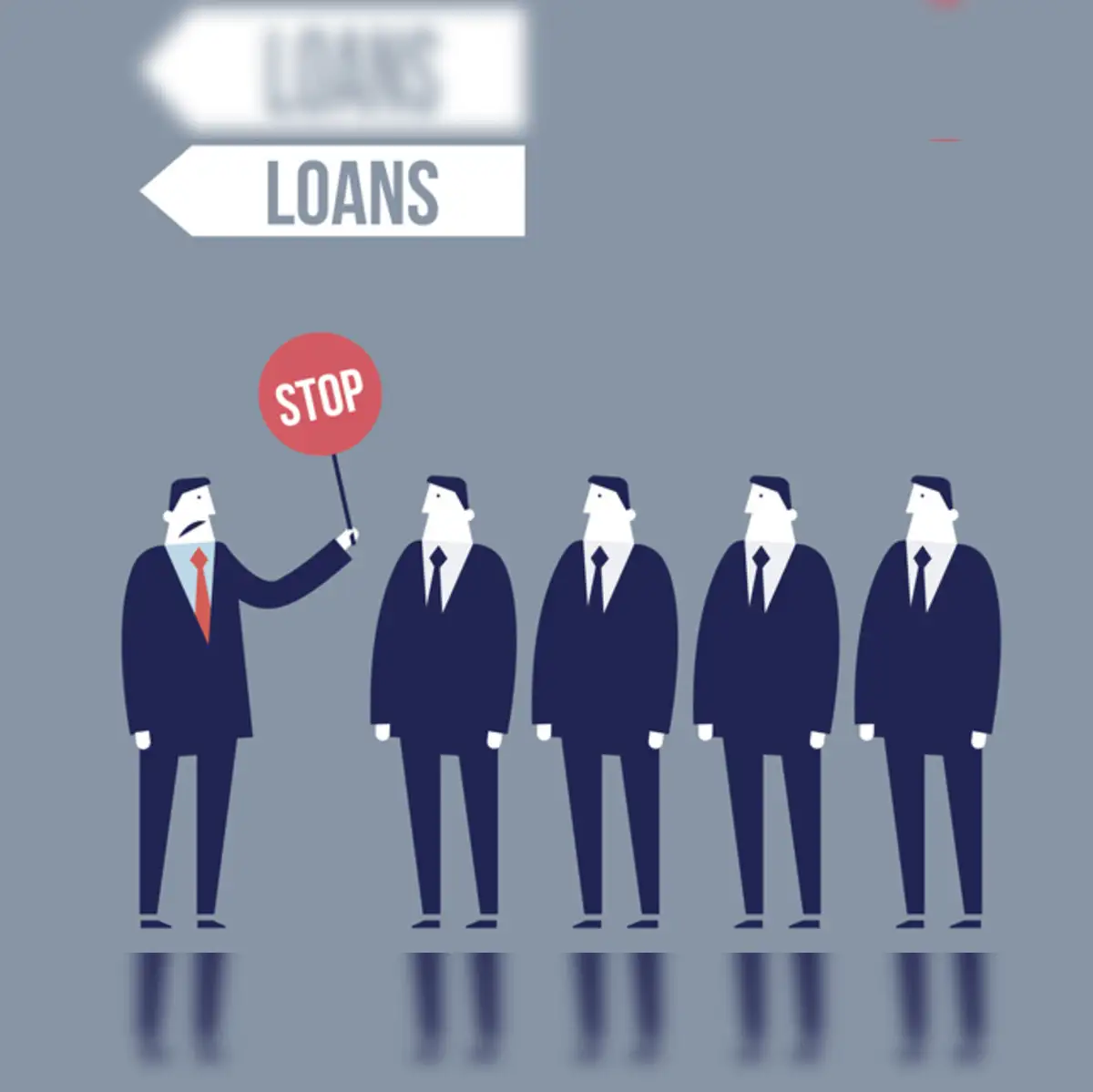
When to stop depending on loans — and when to take them
Stop depending on loans when:
▪ You use them routinely for living expenses (rent, groceries) → red flag.
▪ Debt servicing consumes >35–50% of gross income (country norms vary) — reassess.
▪ You’re rolling high-rate debt into new debt repeatedly (debt spiral).
Take a loan when:
▪ The loan finances an asset or investment with expected ROI (home, education with clear career ROI, business capital with plan).
▪ It improves long-term cashflow (e.g., consolidating 3 high-rate debts into a single lower-rate loan with manageable EMIs).
▪ You can afford payments plus emergency buffer and the loan's APR is reasonable versus alternatives
Fallbacks & hidden risks of “easy loans”
▪ Teaser rates: introductory low rates that reset higher later.
▪ Hidden fees & default penalties: origination, prepayment penalties, insurance bundling.
▪ Soft approval vs hard offer: pre-qualification may not equal final rate.
▪ Predatory products: payday loans, buy-now-pay-later arrangements can carry high effective APRs and encourage overspending.
▪ Rolling over: lenders that renew short loans endlessly build excessive cost.
What happens when you don't pay on time — penalties & consequences
▪ Credit score damage — late payments reported (30/60/90+ days), reducing future borrowing ability and increasing future rates.
▪ Collection activity — escalating reminders, collection agencies, legal action for secured loans (repossession/foreclosure).
▪ Insolvency risk — prolonged default can lead to bankruptcy/insolvency consequences (country-specific laws on discharge and timelines).
▪ Cross-border data — for expatriates or international credit, defaults can still affect ability to borrow if lenders share data or you return to that country.
▪ Late fees & penalty interest rates — immediate additional cost; compounding makes it worse.
Key take-aways:
• Always read the full cost (interest + fees + taxes + pre-payment terms).
• Prioritise repaying high-cost unsecured debt quickly (credit cards, payday loans) before taking on large new debt.
• Use secured loans (mortgages, auto loans) only when the asset supports the debt and you have stable cash-flow.
• Re-evaluate your borrowing periodically: if you can pay off faster, change tenure, or refinance at a lower rate, it is worth doing.
• Avoid dependency: if you find yourself borrowing to meet recurring short-term expenses (groceries, utilities), it’s time to pause new loans and rebuild savings.
Conclusion
Managing loans wisely is less about just getting the lowest rate and more about aligning borrowing with your broader financial plan. The table above shows that across countries—and across products—the spectrum of interest rates and loan types is wide. Your personal rate will depend on your creditworthiness, income stability, collateral (if any), loan-purpose, and macro-economic interest-rate environment in your country. By understanding your local market (as illustrated above) and following disciplined borrowing and repayment practices, you can use loans as a useful tool—not a trap.

Stay updated with our latest news and articles. Join our newsletter!
Trending Now
No trending posts found.