
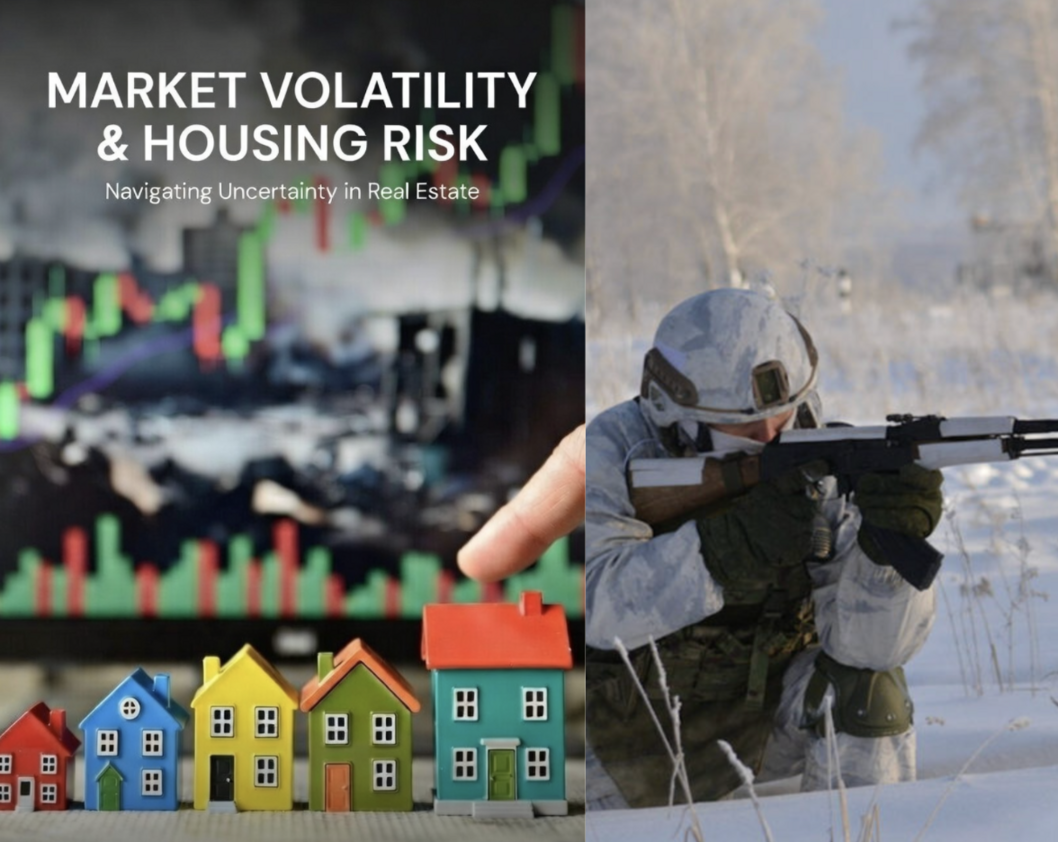
Real Estate Markets During Conflict: Rate Shock, REITs & Recovery Cycles
2026-03-04
Unlike commodities or defense stocks, real estate does not react to the sound of missiles. It reacts to the sound of central banks.
Conflicts — whether in Eastern Europe or the Middle East — influence property markets indirectly, primarily through inflation expectations and interest rates. The 2022 shock tied to the Russian invasion of Ukraine accelerated global inflation, prompting aggressive rate hikes that reverberated across commercial and residential real estate valuations.
In modern markets, geopolitics matters to property owners only insofar as it shifts bond yields, credit spreads and construction costs.
For investors, the question is not whether war impacts real estate — it does. The question is how long financing conditions remain restrictive.

Why Real Estate Reacts Differently
Real estate is less sensitive to headlines and more sensitive to:
Interest rates
Credit availability
Inflation
Conflicts often raise inflation expectations, pushing central banks to tighten policy.
The Typical Real Estate Swing Cycle
Phase 1: Inflation Shock
Bond yields rise
Mortgage rates increase
REITs decline
Phase 2: Rate Clarity
Markets stabilize once:
Central banks signal peak rates
Bond yields plateau
Phase 3: Capital Rotation
Investors re-enter income-producing assets.
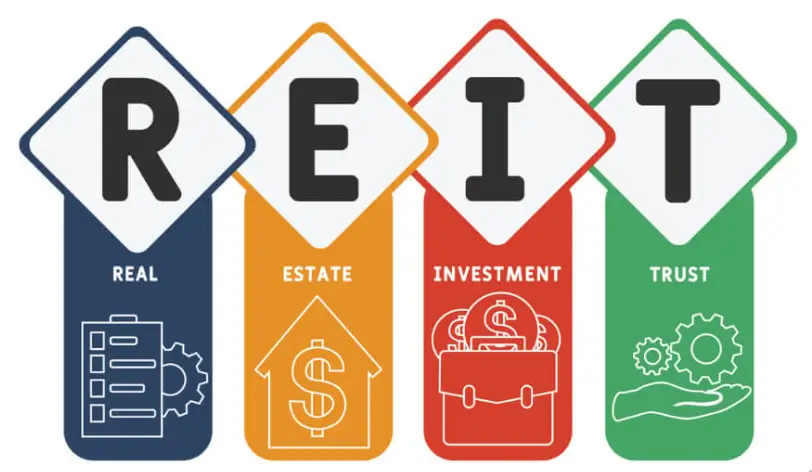
REIT Sectors to Watch
Residential REITs
AvalonBay Communities
Equity Residential
Often stabilize quickly due to housing demand resilience.
Industrial & Logistics
Prologis
Benefit from supply chain reshoring trends.
Data Centers
Digital Realty
Stabilize faster because digital infrastructure demand remains structural.
When Does Real Estate Stabilize?
Historically, stabilization begins when:
Treasury yields peak
Inflation decelerates
Credit spreads narrow
Property markets usually lag equity stabilization by several months due to financing cycles.
Final Investor Takeaway
Precious metals react first.
Energy and defense rotate next.
Real estate stabilizes last—after rate clarity.
Conclusion

Understanding the sequence of shock → pricing → policy response → stabilization is key to navigating global conflict markets with discipline.
Real estate stabilization rarely coincides with geopolitical resolution. It aligns with monetary inflection points.
Residential REITs such as AvalonBay Communities and Equity Residential tend to steady once rental demand offsets higher financing costs. Industrial leaders like Prologis benefit from supply-chain realignment, while digital infrastructure owners including Digital Realty operate with more structural demand resilience.
Historically, property markets begin to stabilize when Treasury yields peak, inflation trends lower, and credit markets reopen at predictable spreads.
In a fragmented global order, real estate is no longer just a local asset class. It is a leveraged expression of monetary policy.
For disciplined investors, the opportunity lies not in chasing distressed headlines, but in anticipating the rate cycle turn — because in property markets, stabilization begins with the bond market, not the battlefield.

Stay updated with our latest news and articles. Join our newsletter!
Trending Now
No trending posts found.
Related Articles
Debug: Tags used: real estate war impact, REIT performance geopolitics, housing market conflict, interest rates property values, industrial REIT outlook 2026