
Acquisition, Competition, Restructuring and the Company's AI Future: What Happened to PayPal in 2026?
2026-09-21
Having invested for about 3 years now, I have a habit of going through companies’ shares, and PayPal stock prices caught my attention with drastic fluctuations. This American Company has been stable since its establishment and even peaked its performance during the lockdown period when digital payments became the prime mode of transaction. So what happened that, 5 years down the line, it faced such a drastic setback? Why has it been so unstable? What is actually going on? I even heard about the PayPal buyout offer happening; did it succeed, or did the recent turnaround prevent this digital payments acquisition? Let's find out.
PayPal’s Journey: Digital Payment Market
Many of us know PayPal as synonymous with online payments, and for years it was basking in glory. PayPal's roots go back to the late 1990s. Starting as a cryptography and software company, it evolved to an online payment portal, merging with Elon Musk's online banking company. Its ecosystem also includes businesses such as Venmo and Braintree, giving PayPal exposure to both consumers and merchants.
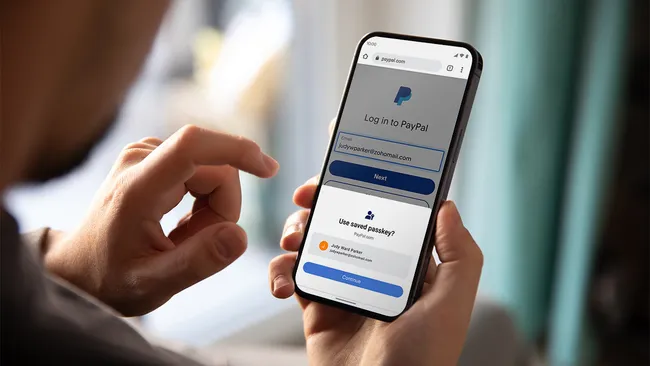
And 5 years ago, it was at the peak of its history, helping consumers make internet shopping easier by allowing consumers to pay without repeatedly entering card details, while giving merchants a familiar way to accept digital payments. But the payments landscape has changed dramatically. Today, PayPal competes with digital wallets such as Apple Pay and Google Pay, merchant platforms such as Shopify, payment infrastructure companies such as Stripe, peer-to-peer services and buy-now-pay-later providers.
Its branded checkout business has faced increasing competition, while investors have questioned whether the company can restore stronger growth. Then came one of the biggest developments of 2026: news that reportedly Stripe and private-equity firm Advent International pursued PayPal in a proposed deal worth more than $53 billion, but the consortium subsequently abandoned the bid.
Now the question is no longer, “Who is buying PayPal?” It's about whether PayPal can reinvent itself as the payments industry moves from traditional checkout toward AI-driven commerce.
Where Did PayPal Start Losing Its Advantage Among Online Payment Platforms?
Online payment is made easy with digitalization, and the biggest change is they are no longer a category dominated by a handful of specialist payment companies. Consumers now encounter payment options through the technology platforms they already use. Apple Pay is integrated into Apple's device ecosystem. Google has its own wallet infrastructure. Shopify has Shop Pay. Stripe provides payment infrastructure for businesses. Cash App and Zelle are important in peer-to-peer payments. This means PayPal is increasingly competing against entire technology ecosystems, rather than simply against other digital wallets.
Earlier PayPal Advantage | Today's Payments Market |
PayPal was a familiar online payment option | Consumers have multiple digital wallets and payment choices |
Online checkout was a major differentiator | One-click checkout is increasingly built into platforms |
PayPal had strong consumer recognition | Apple, Google and Shopify have enormous ecosystems |
Digital wallets were relatively new | Wallets are now integrated into devices, browsers and apps |
PayPal could occupy the final stage of checkout | AI assistants and platforms are increasingly influencing discovery before checkout. |
Why Is PayPal Under Pressure In This Fintech Transformation?
Apple Pay vs PayPal
- Apple Pay is not just another payment application; it’s integrated into Apple's hardware and software ecosystem. That creates a distribution advantage.
- PayPal remains a deliberate choice for the consumer, whereas device-integrated wallets can become part of the normal checkout experience.
Shopify Owns More of the Merchant Experience
- Shop Pay connects payment with the broader Shopify merchant ecosystem. Instead, consumers encounter PayPal as an independent payment button across unrelated websites.
- PayPal is therefore competing not only for consumers but also for merchants and the infrastructure behind their checkout experiences.
Stripe Approaches Payments From the Merchant Side
- Stripe built its reputation around payment infrastructure for businesses and developers, making it particularly relevant to PayPal's Braintree and broader merchant-processing operations.
- The irony of 2026 is that Stripe was simultaneously a competitor and a potential buyer of PayPal.
Was the PayPal Buyout Offer in 2026 True?
Apparently, yes, there was a reported acquisition proposal, reportedly in July 2026: Stripe and Advent International proposed acquiring PayPal for $60.50 per share, valuing the company at more than $53 billion. But there is no active Stripe-Advent takeover deal now.
Reuters later reported that the consortium abandoned its pursuit in August after negotiations failed. The proposed price was also dramatically below PayPal's pandemic-era peak valuation, which had once reached a market value of roughly $360 billion in 2021. Evidently, after PayPal's buyout offer was crushed, the shares fell sharply.
Why Did Stripe and Advent Want PayPal?
PayPal still has
- A globally recognised consumer brand
- A large customer ecosystem
- Venmo
- Braintree
- Merchant relationships
- Payment-processing infrastructure
- Consumer financial products
- International operations
- Years of payments expertise
These give any buyer a potential strategic expansion advantage by owning the technology, merchant asset, and consumer reach.
Why Did the PayPal Buyout Offer Fall Apart?
- The reported reason was largely valuation. The proposed $60.50-per-share price was viewed by PayPal's board as insufficient. The negotiations also faced potential regulatory and financing considerations.
- There was another important factor: PayPal's leadership changes indicated an attempt to demonstrate that PayPal could create greater value as an independent company.
PayPal's Leadership Changes and Turnaround
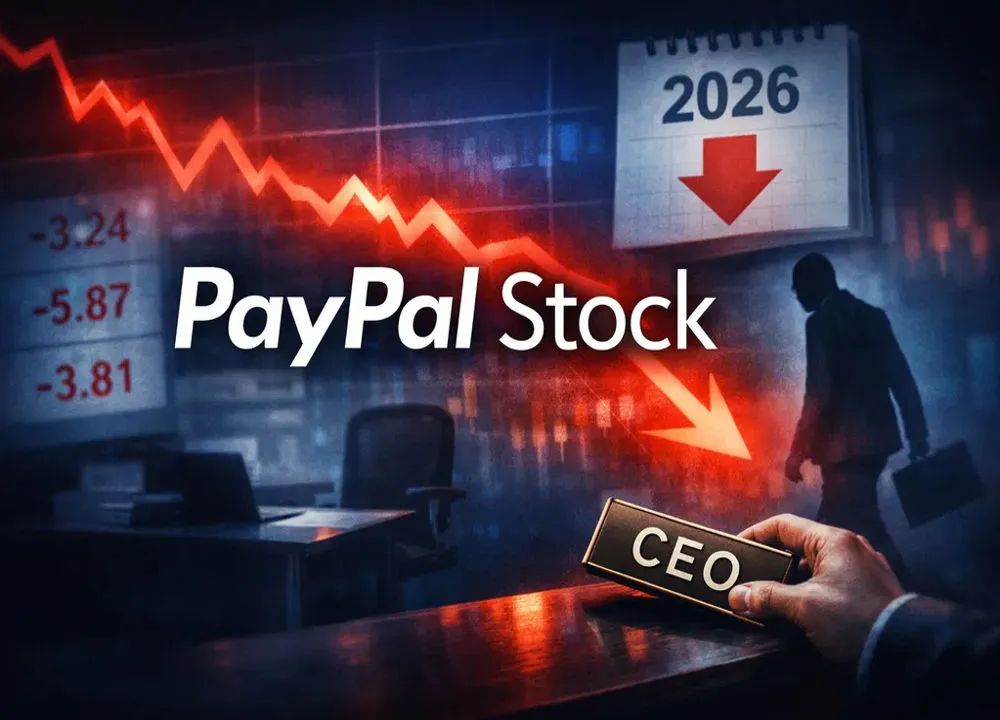
Who Became PayPal’s New CEO?
Reportedly, Enrique Lores became PayPal's CEO in March 2026, replacing Alex Chriss. Showing the company's restructuring is already having tangible effects. Lores came to PayPal after leading HP and has been tasked with helping reshape the company's operations and competitiveness.
How Is PayPal's Business Restructuring Now?
Cost-Cutting & Restructuring Department
In September 2026, PayPal reportedly announced a 20% workforce cut, which is around 4000+ roles, that includes approximately 220 jobs in India as part of the broader restructuring and turnaround plan announced earlier in the year. It counts as a part of a broader effort to realign to teh twofold challenge for management: reduce complexity and costs while simultaneously investing in areas capable of generating future growth.
Defending Checkout
PayPal still has to remain relevant in online checkout and needs to make checkout simple while giving merchants compelling reasons to retain.
Growing Venmo
The challenge is turning its large user ecosystem into stronger and more sustainable financial performance, and Venmo remains an important consumer asset. In other words, user numbers matter, but monetisation matters too.
Braintree and Merchant Payments
Braintree gives PayPal exposure to businesses that need payment infrastructure rather than necessarily displaying a PayPal-branded checkout button. This is important because much of the future payments battle may happen behind the scenes.
Improving Efficiency
The restructuring, including reported workforce reductions, shows that PayPal is attempting to streamline its organisation while repositioning the business.
PayPal AI Strategy Bet: Agentic Commerce
With digitalization, the next generation of online shopping may begin with consumers relying on an AI assistant to compare products, re-evaluate requirements, manage the shopping journey, and potentially facilitate the purchase. This is known as agentic commerce. PayPal is positioning itself for this shift.
Its Agentic Commerce Services allow merchants to create AI-powered shopping experiences, while its Agent Ready offering enables Braintree merchants to accept payments initiated through AI shopping assistants. PayPal says its current integrations include ChatGPT, Google AI Mode and Gemini. This represents an important change in PayPal's role. Instead of thinking only about: “How do I process the payment at the end of the shopping journey?” PayPal is trying to participate in: “How does the transaction happen when an AI agent helps conduct the shopping journey?”
What Should PayPal Focus On to Sustain Among Competitive Payment Processing Companies
Priority | What PayPal Needs to Address |
Checkout | Make branded checkout competitive and convenient |
Merchant payments | Strengthen Braintree and other payment infrastructure |
Venmo | Improve monetisation and engagement |
Costs | Simplify operations and improve efficiency |
Technology | Modernise the customer and merchant experience |
AI | Establish a meaningful role in agentic commerce |
Consumer trust | Maintain confidence in a rapidly changing payment environment |
Growth | Find sustainable sources of expansion |
Where PayPal Stands in Fintech Competition?
As the news suggests, PayPal is not simply a company whose business is collapsing. It remains a very large payments company with substantial transaction volume, revenue, and cash generation. The central issue is growth and competitive positioning. PayPal needs to grow at an attractive rate while maintaining its position in an increasingly competitive payments industry.
The acquisition talks made this particularly visible. The reported $60.50-per-share proposal placed a market value on the company at a time when PayPal was already trying to convince investors that its independent turnaround could create greater long-term value. If the turnaround struggles, a lower valuation could potentially attract renewed interest—but that would also depend on the underlying condition of the business. For now, however, PayPal's immediate story is about independence and execution, not an active sale process.
Concluding
PayPal is not a company that is on the verge of takeover or bankruptcy but rather in need of reinvention and modernization with digital technology and AI integration. The PayPal buyout offer did fail, but the question arise is whether PayPal leadership changes, fintech transformation, and business restructuring work in the near future and change the market valuation in the company's favour.
These questions will be answered in due time; until then, keep reading on Micromunch and stay tuned for updates on the business world, market, and mutual funds.
P. Manika (Performist Content Writer)
Disclaimer: For informational purposes only, based on publicly available sources and not firsthand experience. The author is not a licensed financial advisor, and this is not professional financial advice.

Stay updated with our latest news and articles. Join our newsletter!
Trending Now
No trending posts found.


