

How to Start a Small Business in 2026 With Limited Funds or a Business Loan
2026-01-20
In 2026, entrepreneurship is no longer reserved for the well-funded or well-connected. It belongs to the prepared.
Rising digital infrastructure, remote work, AI-powered tools, and alternative financing have lowered the cost of entry for new businesses worldwide. Yet the fundamentals remain unchanged: most businesses fail not from lack of ideas, but from weak planning, poor cash flow, and legal missteps.
This guide provides a fact-based, globally applicable roadmap for starting a small business in 2026—whether you are bootstrapping with limited funds or launching with a business loan.
1. Start With the Right Business Idea (Market Before Passion)
The most successful small businesses in 2026 are not driven by novelty, but by clear demand.

Key questions to answer first:
What problem does this business solve?
Who is already paying for similar solutions?
Can I reach customers affordably and repeatedly?
Low-capital, high-demand business models in 2026 include:
Digital services (consulting, marketing, design, AI integration)
E-commerce micro-brands and niche marketplaces
Local service businesses (home repair, logistics, care services)
Education, coaching, and online courses
Subscription-based tools or content
Rule of thumb: If customers are already searching and paying, the risk is lower.
2. How Do I Write a Business Plan?
A business plan is no longer a 40-page document—it is a decision-making tool.
Essential Sections of a 2026 Business Plan
Executive Summary – What you sell, who you serve, how you make money
Market Analysis – Target customers, competitors, pricing benchmarks
Business Model – Revenue streams and cost structure
Go-to-Market Strategy – Sales, marketing, distribution
Operations Plan – Tools, suppliers, workflows
Financial Projections – Startup costs, break-even point, cash flow
Funding Strategy – Self-funded, loan, or mixed financing
Why it matters:
Banks, investors, and even potential partners increasingly require clear financial logic, not optimistic storytelling.
3. How Much Funding Do I Need to Start?
Most small businesses underestimate startup costs by 20–30%.

Typical Startup Cost Categories
Business registration and licenses
Equipment or software
Marketing and branding
Inventory (if applicable)
Working capital (3–6 months of expenses)
Lean startups often launch with:
Service businesses: low four figures
Digital businesses: minimal upfront costs
Product businesses: higher capital due to inventory and logistics
Best practice: Secure enough capital to survive six months without profit.
4. Bootstrapping vs. Business Loans: Which Is Right for You?
Starting With Limited Funds (Bootstrapping)
Pros
Full ownership and control
Lower financial risk
Discipline in spending
Cons
Slower growth
Personal financial pressure
Starting With a Business Loan
Pros
Faster scaling
Ability to invest in marketing, staff, or inventory
Builds business credit
Cons
Repayment obligations
Requires strong financial planning
Common financing options in 2026:
Bank loans and SME programs
Government-backed small business loans
Online lenders and fintech platforms
Revenue-based financing
5. What Legal Structure Should My Business Have?
Your legal structure affects taxes, liability, and credibility.
Common Business Structures
Sole Proprietorship – Simple, low cost, full personal liability
Partnership – Shared ownership, shared risk
LLC / Private Limited Company – Liability protection, flexible taxation
Corporation – Best for large or investment-heavy businesses
Global trend: Most small businesses now prefer limited liability structures to protect personal assets.
6. How to Register a Business in Your Country
While rules vary by country, the process generally includes:
Choosing a business name
Registering with a government authority
Obtaining tax identification numbers
Securing required licenses or permits
Opening a business bank account
Tip: Many governments now offer online registration portals, reducing time and paperwork.
7. How Do I Manage Cash Flow From Day One?
Cash flow—not profit—is the number one reason small businesses fail.

Cash Flow Best Practices
Separate personal and business finances
Invoice promptly and track receivables
Keep fixed costs low
Maintain a cash reserve
Key metric:
If cash outflows exceed inflows for too long, the business becomes unsustainable—regardless of sales.
8. What Accounting Tools Should I Use?
Modern accounting tools in 2026 are cloud-based, automated, and scalable.
Look for tools that offer:
Expense tracking
Invoicing
Tax compliance support
Financial reporting
Best practice: Choose software that integrates with your bank and payment systems to reduce manual work.
9. How Should I Price My Products or Services?
Pricing is strategy, not guesswork.
Common Pricing Methods
Cost-plus pricing – Covers costs + margin
Market-based pricing – Aligned with competitors
Value-based pricing – Based on customer outcomes
Avoid the beginner’s mistake: Underpricing to attract customers often leads to burnout and cash shortages.
10. How Do I Hire My First Employees?
In 2026, many small businesses hire later and leaner.
Hiring Smart
Start with contractors or freelancers
Automate before hiring
Hire for revenue or operations impact
When to hire:
When the cost of not hiring (lost sales, inefficiency) exceeds the cost of employment.
11. Scaling Sustainably in a Volatile Global Economy
Economic uncertainty makes resilience more valuable than rapid expansion.
Sustainable growth principles:
Diversify revenue streams
Avoid excessive debt
Invest in systems, not just sales
Monitor customer retention
Final Thoughts: Building a Business That Lasts
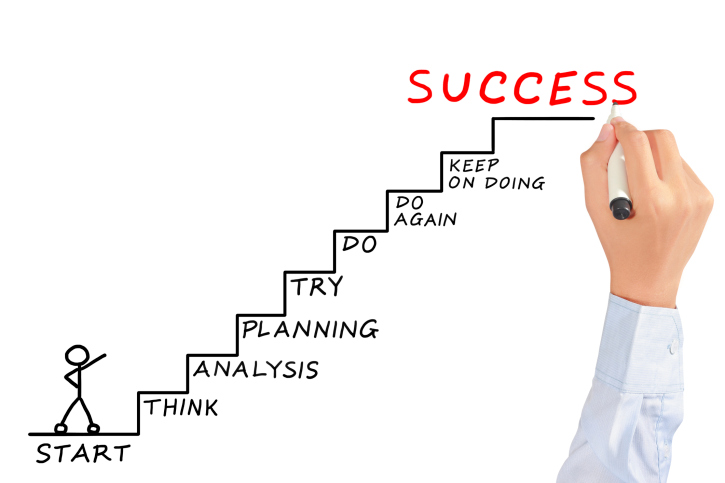
Starting a small business in 2026 is both more accessible and more competitive than ever. Success belongs to founders who combine disciplined planning, financial literacy, and adaptability.
Whether funded by personal savings or a business loan, the businesses that endure are built on:
Clear demand
Strong cash flow
Legal and operational foundations
Long-term thinking
Entrepreneurship is no longer about taking blind risks. It is about making informed decisions—early and often.

Stay updated with our latest news and articles. Join our newsletter!
Trending Now
No trending posts found.

