
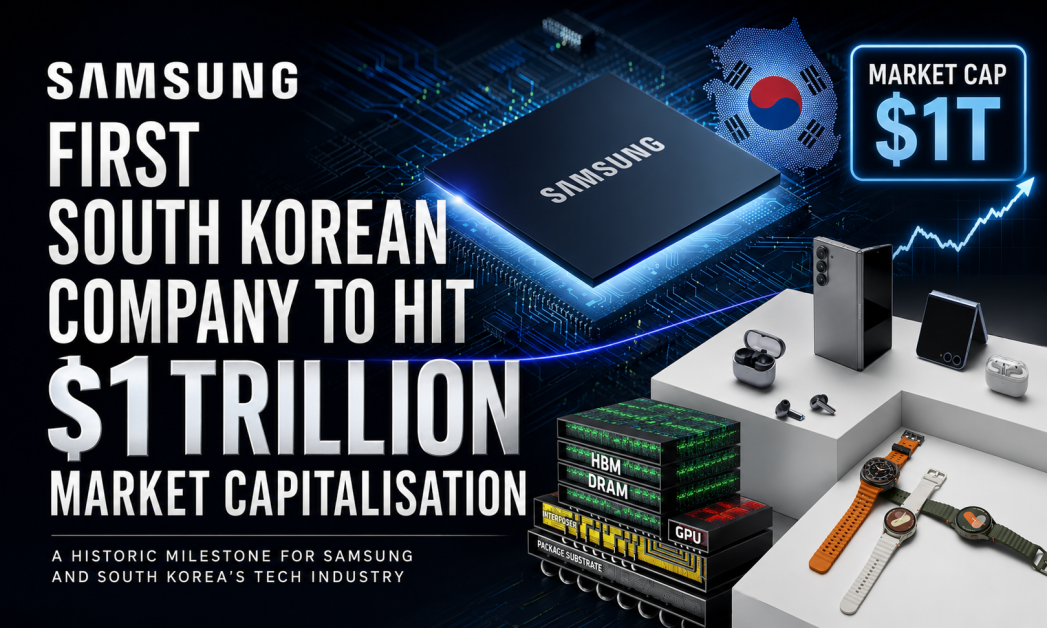
Samsung Becomes South Korea’s First $1 Trillion Company: How AI, HBM Chips & Galaxy Devices Fueled Its Historic Rise
2026-05-13
Samsung Electronics has crossed the $1 trillion market capitalization milestone, becoming the first South Korean company in history to join the elite trillion-dollar club alongside global tech giants like Apple, Microsoft, NVIDIA, Alphabet, Amazon, and TSMC. Reuters confirmed Samsung crossed the $1 trillion mark in May 2026 after a massive AI-driven rally in semiconductor stocks.
But Samsung’s rise was not fueled by smartphones alone.
The company’s transformation into an AI infrastructure powerhouse, combined with aggressive restructuring, semiconductor dominance, wearable ecosystem expansion, and vertical integration, helped Samsung evolve from a consumer electronics giant into one of the most strategically important technology companies in the world.
As of May 2026, the global market cap hierarchy stands as:
- NVIDIA — $5.2T
- Alphabet — $4.1T
- Apple — $3.9T
- Microsoft — $3.1T
- Amazon — $2.8T
- TSMC — $2.0T
- Broadcom — $1.9T
- Saudi Aramco — $1.7T
- Meta — $1.7T
- Tesla — $1.4T
- Samsung Electronics — Above $1T
The Real Reason Samsung Became a Trillion-Dollar Company
For years, investors viewed Samsung primarily as a smartphone and television manufacturer.
That perception is now outdated.
Samsung’s trillion-dollar breakthrough was largely powered by explosive demand for AI memory chips, particularly High Bandwidth Memory (HBM), which has become essential for training large AI models and operating next-generation AI infrastructure.
The global AI boom changed the semiconductor industry permanently.

Modern AI systems require enormous amounts of ultra-fast memory to process workloads for:
- Generative AI
- Large Language Models (LLMs)
- AI cloud infrastructure
- Data centers
- Autonomous systems
- AI accelerators
Samsung positioned itself at the center of that demand cycle.
The company’s HBM3E and next-generation HBM4 memory chips became critical components for AI hardware ecosystems tied to NVIDIA’s Blackwell architecture and hyperscale AI infrastructure. Reuters and multiple financial reports confirmed that investor enthusiasm around AI semiconductors and memory demand was the primary driver behind Samsung’s valuation surge.
Samsung’s Biggest Advantage: Vertical Integration
Samsung succeeded where many competitors struggled because it controls nearly every layer of the technology stack.
Unlike Apple, NVIDIA, or Qualcomm, Samsung is vertically integrated across:
- Semiconductor design
- Memory manufacturing
- Foundry services
- Smartphone production
- OLED displays
- Wearables
- Consumer electronics
- AI devices
This gives Samsung a strategic advantage few companies can replicate.
Samsung can manufacture chips for competitors while simultaneously using its own semiconductors inside Galaxy devices and consumer products.
This ecosystem approach reduced dependency risks and strengthened profit margins during supply chain disruptions and semiconductor shortages over the last decade.
It also made Samsung one of the few companies capable of scaling rapidly during the AI hardware boom.
The 10-Year Samsung Restructuring That Changed Its Future
Samsung’s trillion-dollar valuation did not happen overnight.
The company spent the last decade quietly restructuring its business after realizing the global smartphone market would eventually mature.
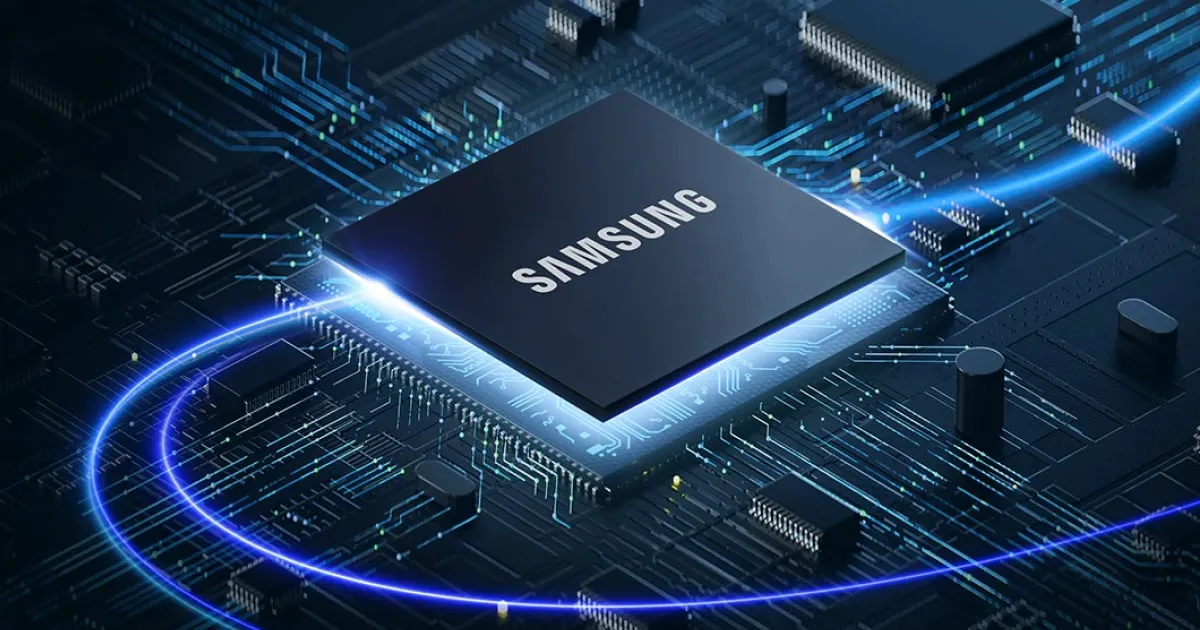
1. Massive Semiconductor Expansion
Samsung aggressively increased investments into:
- DRAM
- NAND flash
- AI memory
- Advanced packaging
- Foundry expansion
- 2nm chip manufacturing
- HBM technology
This pivot allowed Samsung to move away from lower-margin cyclical memory businesses toward premium AI infrastructure products.
By 2026, semiconductors had become Samsung’s primary growth engine.
2. The Galaxy Ecosystem Strategy
Samsung also transformed the Galaxy brand from a smartphone lineup into a full ecosystem.
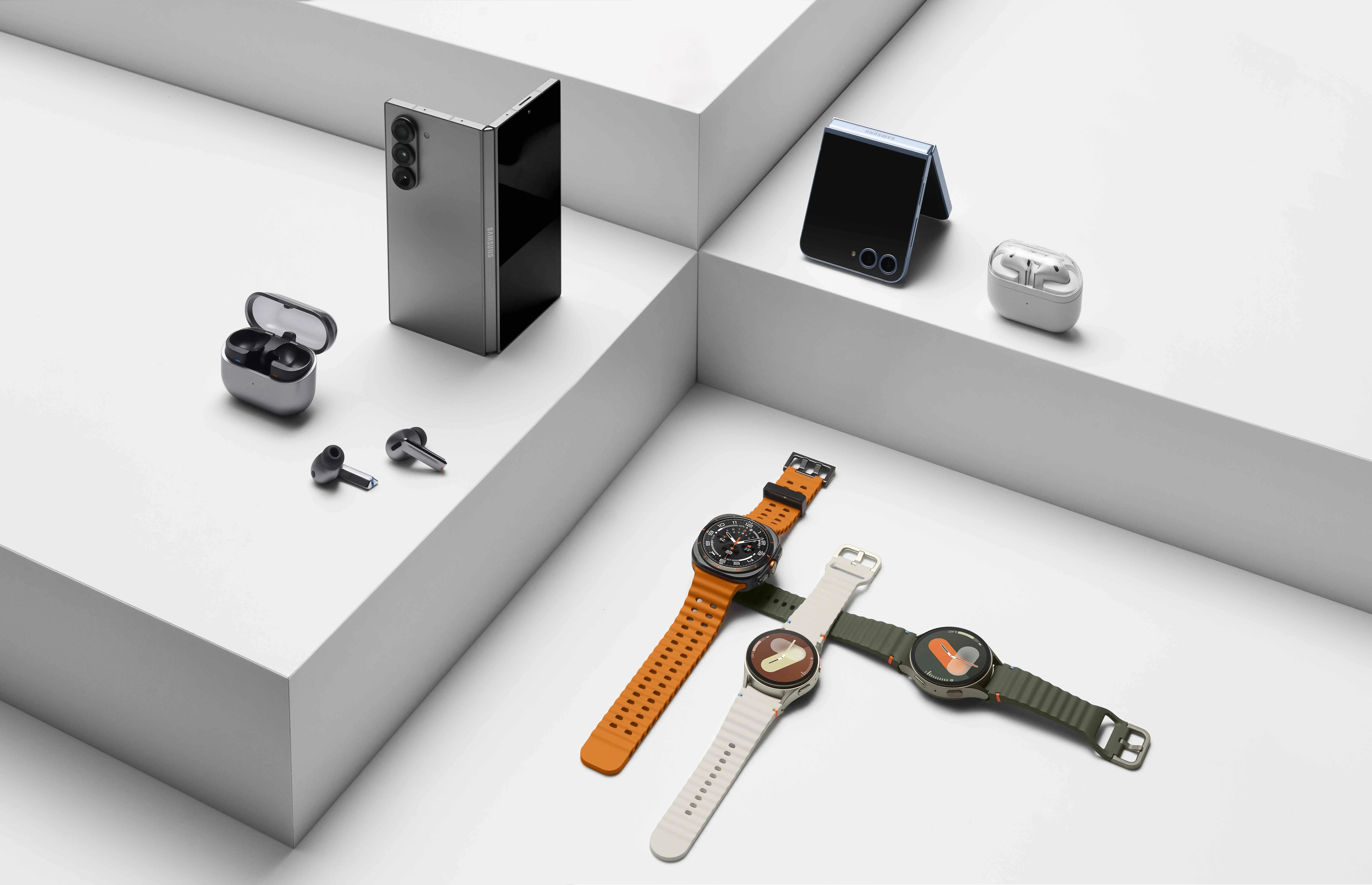
The company expanded into:
- Foldable smartphones
- Smartwatches
- Galaxy Buds
- Smart rings
- AI-powered appliances
- Tablets
- Connected health ecosystems
Instead of competing solely on hardware specifications, Samsung focused on ecosystem retention and AI-driven user experiences.
That strategy helped Samsung defend itself against Chinese smartphone brands and maintain premium Android dominance globally.
How Samsung Stayed Competitive Against Apple and Chinese OEMs
The smartphone market over the last decade became intensely competitive.
Brands like Apple, Xiaomi, OPPO, vivo, and Huawei challenged Samsung across multiple price segments.
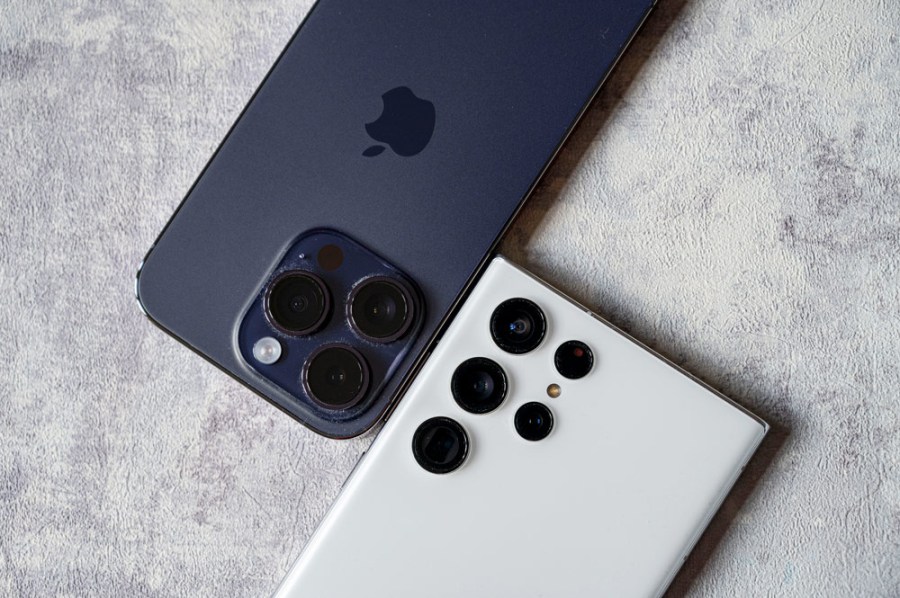
Samsung responded through diversification and innovation.
Samsung’s Key Competitive Moves
Foldable Device Leadership
Samsung dominated the foldable smartphone market years before competitors scaled effectively.
Premium Android Positioning
Samsung strengthened its image as the default premium Android brand globally.
AI Integration
Samsung embedded Galaxy AI features deeply into smartphones and wearables earlier than most Android OEMs.
Supply Chain Ownership
Owning displays, memory, and semiconductor manufacturing reduced operational risks.
Enterprise Security
Samsung Knox became a major differentiator for enterprise and government customers.
These decisions allowed Samsung to maintain profitability even during slower smartphone upgrade cycles.
Samsung Wearables Became a Hidden Growth Engine
One of Samsung’s smartest pivots was expanding aggressively into wearable technology.
The company recognized early that wearables would become essential data and AI interaction devices.

Samsung invested heavily into:
- Health monitoring
- Sleep tracking
- AI wellness analytics
- Smart fitness ecosystems
- Connected healthcare
Products like Galaxy Watch, Galaxy Ring, and Galaxy Buds strengthened Samsung’s ecosystem strategy and improved customer retention across devices.
Wearables also positioned Samsung strongly for the next wave of AI-powered personal computing.
Samsung’s Record-Breaking Financial Performance
Samsung’s AI strategy translated directly into financial performance.
The company reported record Q1 2026 revenue and operating profits fueled by semiconductor demand and AI memory sales. Reuters-linked financial reports noted Samsung’s market value crossed 1,500 trillion won during the AI stock rally.
Samsung’s AI memory demand surge also contributed significantly to the broader rally in South Korea’s KOSPI index, which crossed 7,000 for the first time.
Major Revenue Regions Driving Samsung’s Growth
Samsung’s global diversification remains one of its biggest strengths.
United States
The U.S. is Samsung’s most strategically important premium market due to:
- AI infrastructure partnerships
- Semiconductor demand
- Enterprise customers
- Premium Galaxy device sales
South Korea
Samsung remains central to the South Korean economy and stock market.
Reuters commentary noted Samsung and TSMC together now account for a massive portion of major emerging market indices.
India
India has become one of Samsung’s fastest-growing smartphone and manufacturing markets.
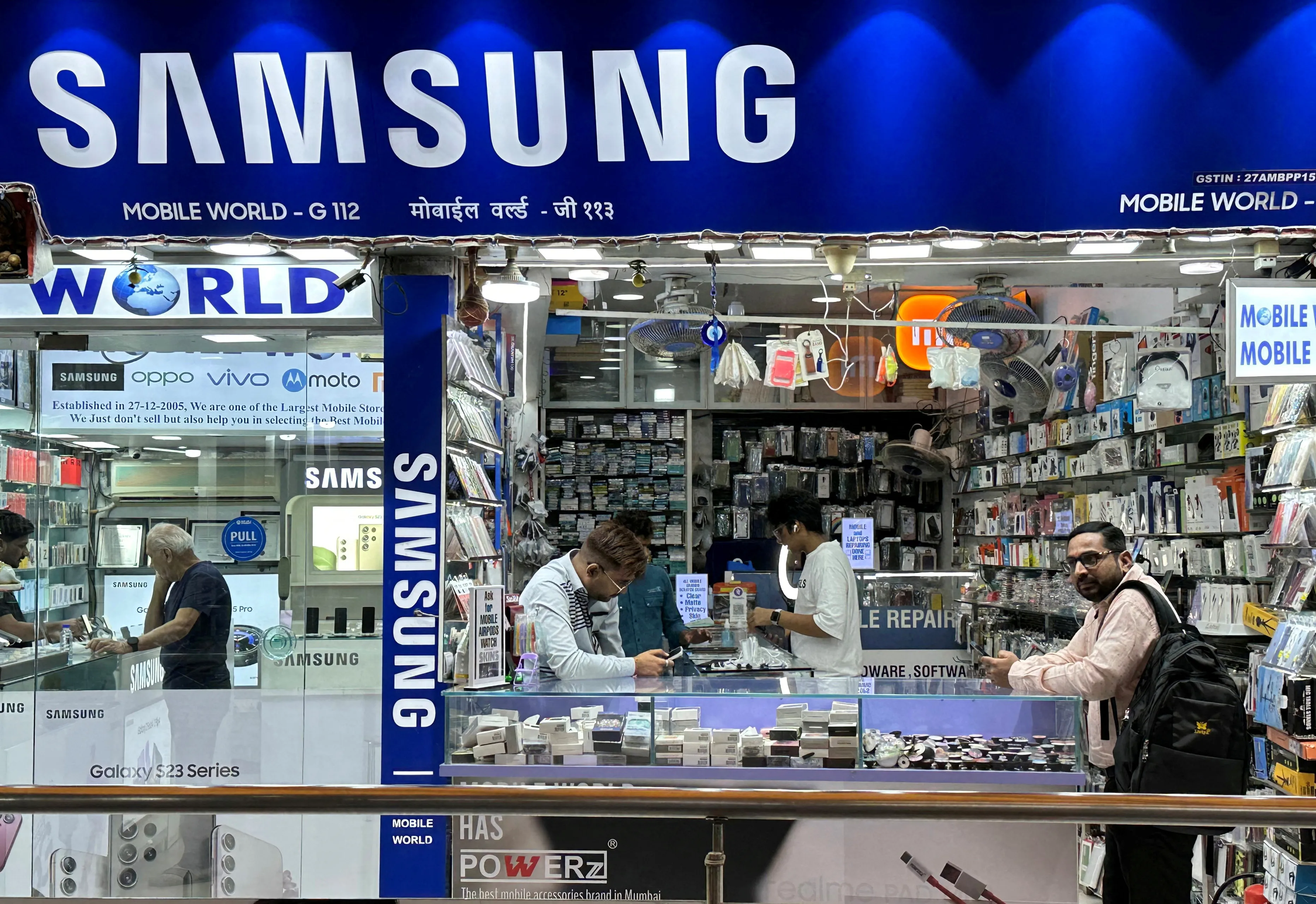
Samsung expanded aggressively into:
- Mid-range smartphones
- Premium Android devices
- Local manufacturing
- Retail infrastructure
- AI-enabled consumer electronics
India is expected to become one of Samsung’s biggest long-term growth drivers.
Europe
Samsung maintains strong smartphone, appliance, and electronics market share across Europe, especially in Germany, the UK, France, and Italy.
China
Samsung still relies on China for parts of its supply chain and semiconductor ecosystem, although competition from Chinese brands has intensified significantly. Reuters recently reported Samsung is reducing exposure in some Chinese consumer electronics categories due to mounting competition.
Challenges Samsung Still Faces
Despite crossing the trillion-dollar milestone, Samsung faces major challenges.
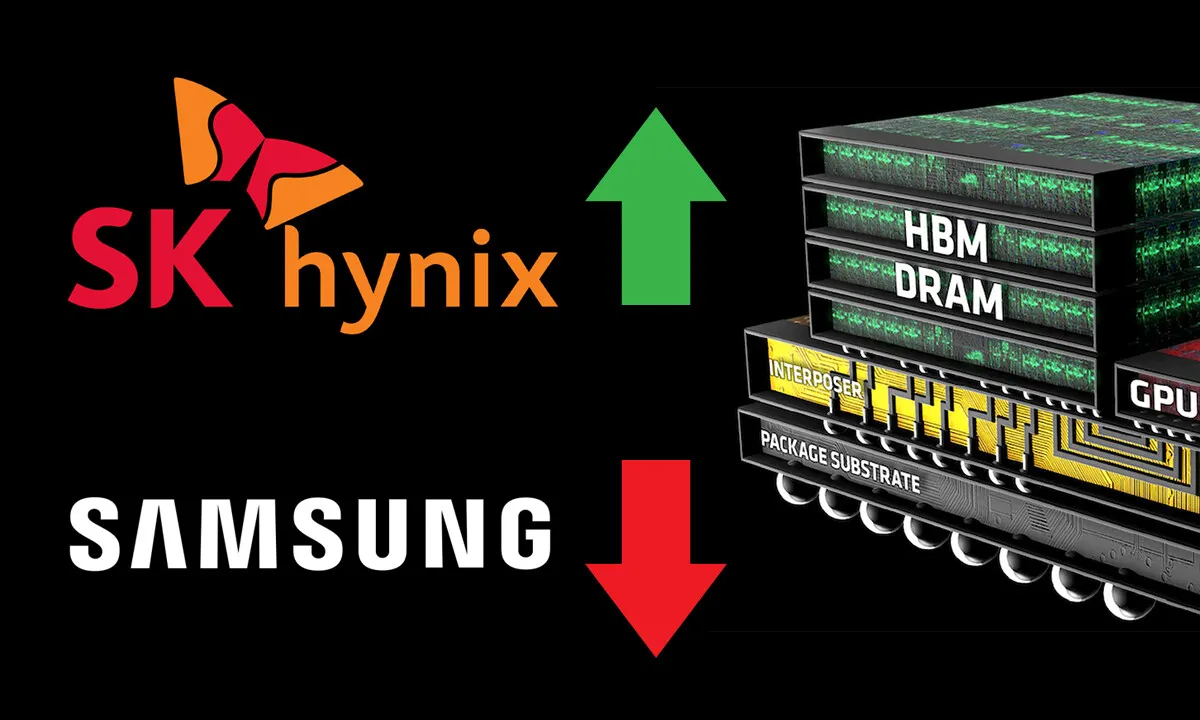
These include:
- Competition from SK Hynix in HBM memory
- Foundry pressure from TSMC
- Rising labor disputes
- AI talent shortages
- Chinese smartphone competition
- Geopolitical semiconductor tensions
Reuters recently reported growing labor disputes and concerns around compensation tied to Samsung’s booming AI profits.
What Samsung Will Do Over the Next 5 Years
Samsung’s future strategy is becoming increasingly clear.
1. Expand AI Semiconductor Leadership
Samsung will continue investing aggressively into:
- HBM4
- AI memory
- Advanced chip packaging
- AI accelerators
- 2nm foundry manufacturing
2. Build AI Into Every Device
Samsung is moving toward a fully integrated AI ecosystem across:
- Smartphones
- TVs
- Wearables
- Appliances
- Smart homes
3. Grow Healthcare and Wearables
Samsung is expected to expand deeper into digital health, AI diagnostics, and personalized wellness technologies.
4. Strengthen India and Emerging Markets
India, Southeast Asia, and parts of Africa are likely to become major long-term smartphone growth regions for Samsung.
5. Compete More Aggressively With TSMC
Samsung’s foundry business will remain a strategic priority as the company attempts to narrow the manufacturing gap with TSMC.
Final Thoughts
Samsung’s rise to a trillion-dollar valuation represents far more than a stock market achievement.
It reflects a decade-long strategic transformation built around:
- AI infrastructure
- Semiconductor leadership
- Vertical integration
- Smart devices
- Wearable ecosystems
- Foundry expansion
- Advanced manufacturing
The company successfully anticipated where the technology industry was heading and positioned itself at the center of the global AI economy.
For South Korea, this moment is historic.
For the technology industry, it signals something even bigger:
The AI era will not only be powered by software — it will be powered by the companies building the memory, chips, and infrastructure underneath it.
By Tommy Thounaojam

Stay updated with our latest news and articles. Join our newsletter!
Trending Now
No trending posts found.
Related Articles
Debug: Tags used: Samsung $1 trillion company, Samsung AI chips, Samsung HBM3E, Samsung trillion dollar valuation, Samsung market cap 2026, Samsung AI strategy, Samsung semiconductor business, Samsung Galaxy AI, Samsung wearable devices, Samsung vs Apple, Samsung vs NVIDIA