Taking a bigger bite out of the apple: John Ternus
2026-05-11
Leadership Shift:
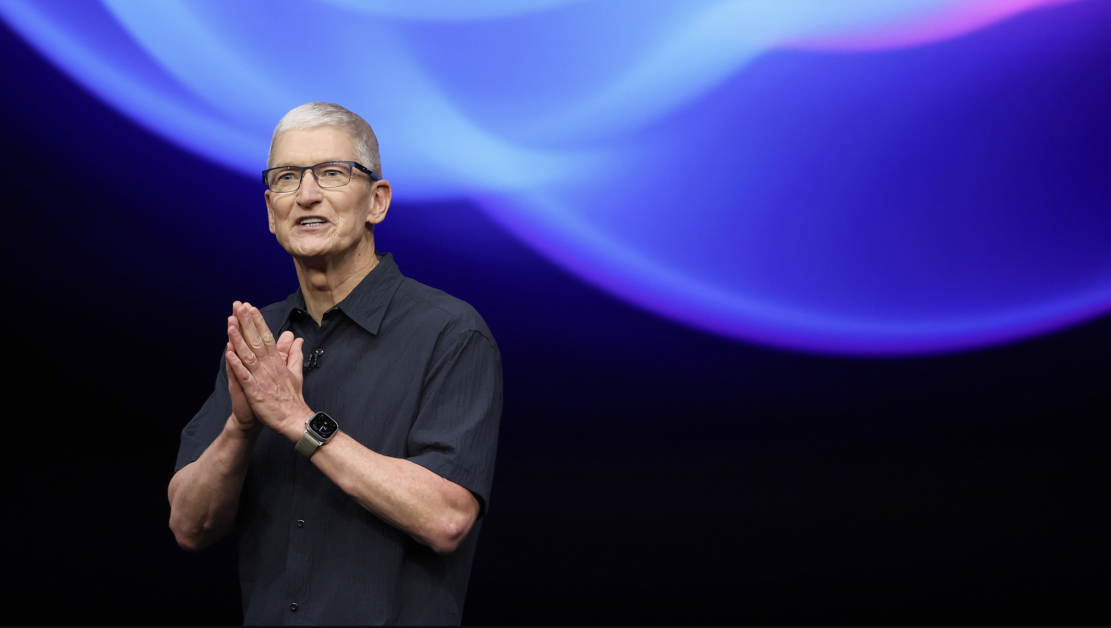
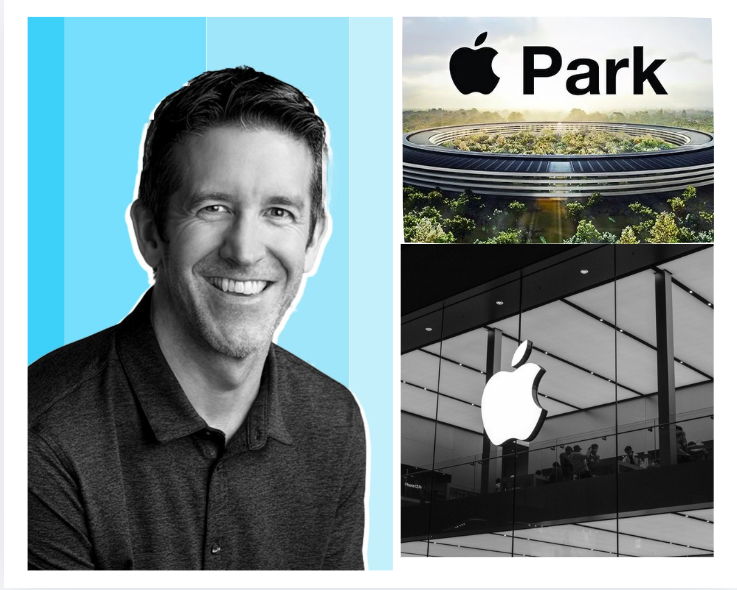
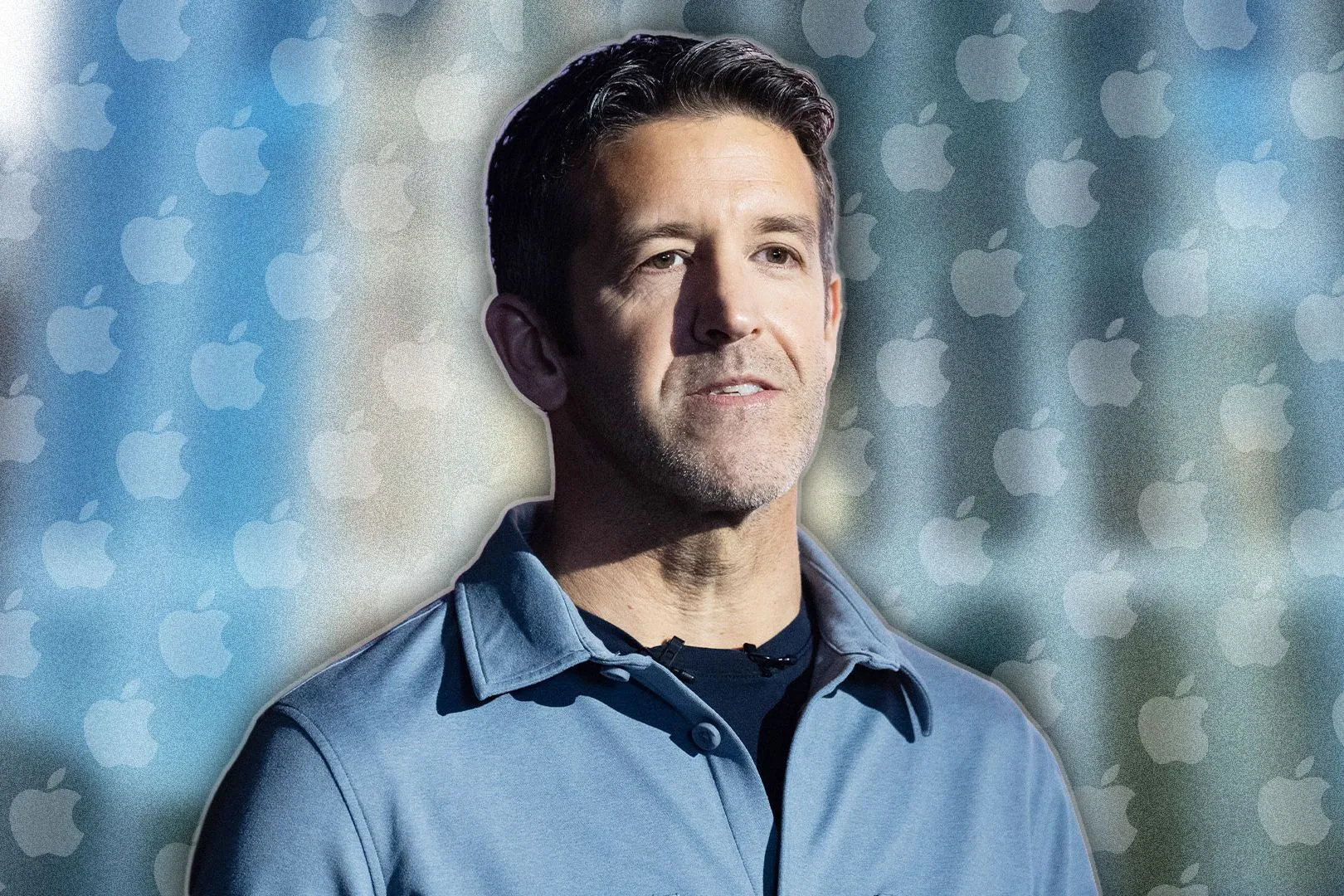
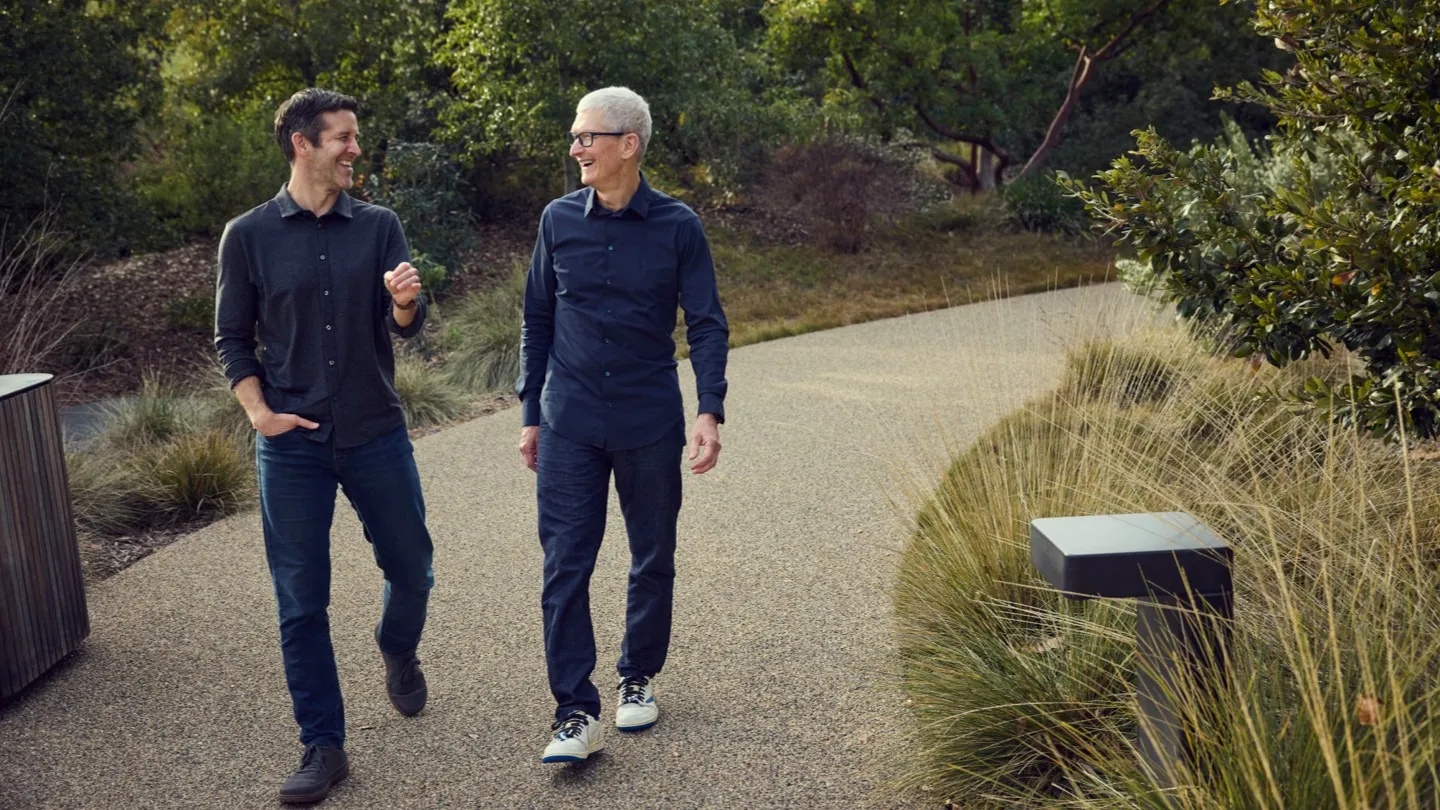
After an impressive 15 year stint as Apple’s CEO, one of the world’s most recognizable companies, Tim Cook has finally passed the torch to a younger counterpart working within Apple. Former Senior Vice President John Ternus will be taking over the role of one of the most demanding roles in the corporate world this September, the new CEO of Apple inc.
Despite the massive change, Tim Cook will transition to the role of executive chairman of Apple's board of directors and not be retiring anytime soon.
The shift is less about sudden departures and more about preparing the next generation of leadership at Cupertino. From hardware development to product strategy, Apple seems focused on ensuring continuity while gradually introducing fresh management perspectives. With products becoming more interconnected across the Apple ecosystem, leadership today requires more than engineering expertise alone. It demands operational precision, long-term vision, and the ability to guide innovation at a global scale
Plans for Succession:
For a company as massive as Apple, last minute succession planning is never a last minute decision. Behind the polished product launches and keynote stages lies a carefully managed leadership pipeline designed years in advance. As questions slowly grow around who could eventually succeed Tim Cook, names like John Ternus continue to gain attention within industry circles.
Apple’s approach appears focused on stability rather than dramatic change. The company has historically favoured leaders who already understand its internal culture, product philosophy, and long-term strategy. That makes experienced executives with deep involvement in hardware, operations, and ecosystem development especially valuable.
If a transition eventually takes place, it’s unlikely to feel like a sudden reboot. More likely, it would resemble an iOS update: familiar on the surface, but quietly redesigned underneath.
Product vision:
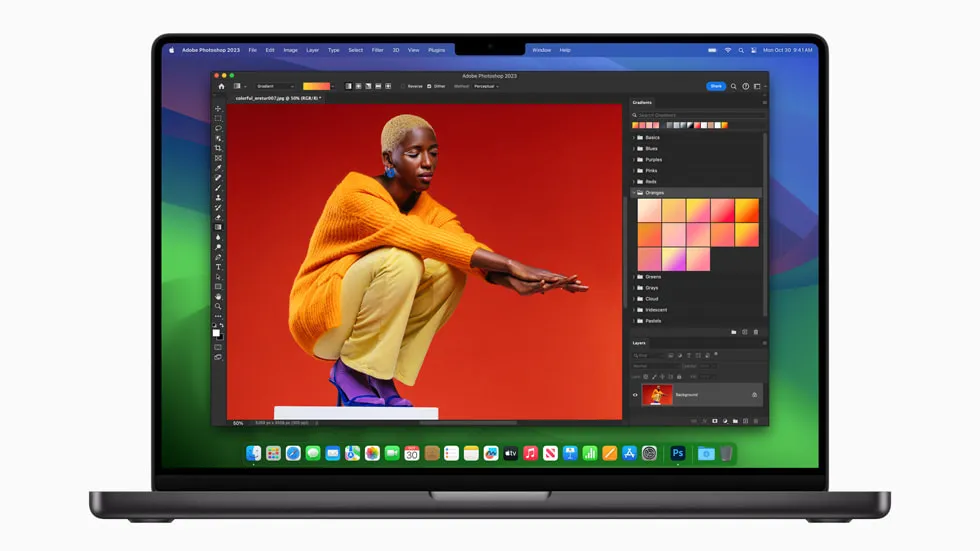
John has always been close to the key products that Apple has to offer, from its flagship iPhone to their macbooks. He is even more close to the Macbooks that Apple has been launching over the past decade. He is synonymous with transitioning the MacBook's to their latest and greatest Apple Silicone series which includes the M series.
His leadership style appears deeply product-focused, balancing technical innovation with Apple’s trademark simplicity. In an era where the company is expanding into AI, spatial computing, and custom silicon, product vision matters more than ever. Apple’s future will likely depend on leaders who can evolve the ecosystem without losing the clean, seamless experience that customers expect.
Rather than chasing trends, Apple traditionally refines them into polished consumer products. The next generation of leadership will need to continue that philosophy while steering the company into entirely new categories of technology.
Management at Apple:
Behind Apple’s sleek product launches and carefully crafted image lies one of the most tightly managed corporate structures in the tech world. Apple’s management style is known for its secrecy, operational discipline, and intense focus on product quality, with teams often working like interconnected gears inside a giant silicon-powered clock.
Executives are handpicked not just for leadership, but for how well they understand their ecosystem and long term culture. Figures like Tim Cook built the company around supply chain precision and operational efficiency, while newer leaders such as John Ternus represent the next wave of product-driven management.
As Apple moves deeper into AI, custom chips, and ecosystem expansion, its management structure will likely continue evolving behind closed doors, quietly shaping the future before the public ever sees it on stage.
Key Challenges:
With new roles come new challenges; they push leaders to navigate problems creatively and understand how their ideas can shape an organization’s future. John is no stranger to such situations. As a key figure within Apple’s hardware-focused divisions, he understands what it takes to balance innovation, product reliability, and the enormous expectations tied to every Apple release.
Growth in the smartphone market has slowed, making it harder for the iPhone to deliver the explosive momentum it once did. At the same time, competitors are racing ahead in artificial intelligence, cloud services, and next-generation hardware, turning the tech industry into a high-speed chessboard of innovation.
Apple must also navigate a future where ecosystems matter just as much as individual devices. The challenge is no longer simply building great products. It’s creating an entire connected experience that keeps users locked into the Apple universe without losing the simplicity that made the brand iconic in the first place.
Employee Outlook:
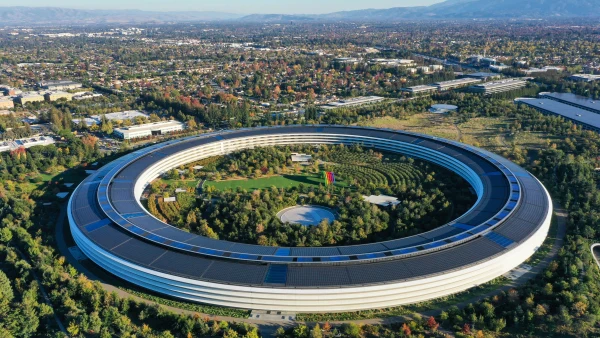
Inside Apple, leadership changes are often viewed through the lens of stability and long-term direction. Employees closely watch how executives manage product teams, company culture, and innovation strategy, especially during periods of transition. Leaders who rise through Apple’s internal ranks tend to earn credibility because they already understand the company’s demanding standards and highly secretive work environment.
Figures like John Ternus represent continuity for many employees, particularly within engineering and hardware divisions. His background in product development aligns with the culture Apple has built over decades: detail-oriented, product-first, and relentlessly focused on execution.
At the same time, employees are likely looking toward the future with cautious optimism. As Apple expands into AI and newer technologies, many inside Cupertino will expect leadership that can preserve the company’s core identity while still pushing innovation forward.
Internal Shake-Up:
John’s move to the CEO position, will by all means create a ripple effect in the internals of Apple’s management ladder.
As the long-time head of hardware engineering, Ternus has been closely tied to the development of flagship products like the iPhone, MacBook, and Apple Vision Pro, making his rise a signal that product innovation may take centre stage in Apple’s next era.
His appointment would likely trigger major changes across Apple’s executive structure, with key departments such as hardware, AI, and services expected to gain new leadership voices. Several long-time executives could see expanded responsibilities, while a younger generation of Apple leaders may begin moving into more prominent positions. The transition may also reshape how teams collaborate internally, especially as Apple balances hardware development with its growing focus on artificial intelligence and software integration.
Unlike the operationally focused leadership style associated with Tim Cook, Ternus is widely viewed as a product-first executive. That shift could influence decision-making inside Apple, potentially giving engineering and design divisions greater influence over future company strategy.
The Future at Apple:
Under the leadership of John Ternus, the future of Apple could revolve around a stronger push towards next generation hardware, artificial intelligence, and deeper ecosystem integration. With Ternus coming from an engineering background, many expect Apple to double down on innovation driven products rather than incremental upgrades.
With the change in times, Apple will also adapt to AI’s rise and compliment software within their flagship products. They may focus on bringing smarter device features across products like the iPhone, iPad, and MacBook while maintaining its strong stance on user privacy.
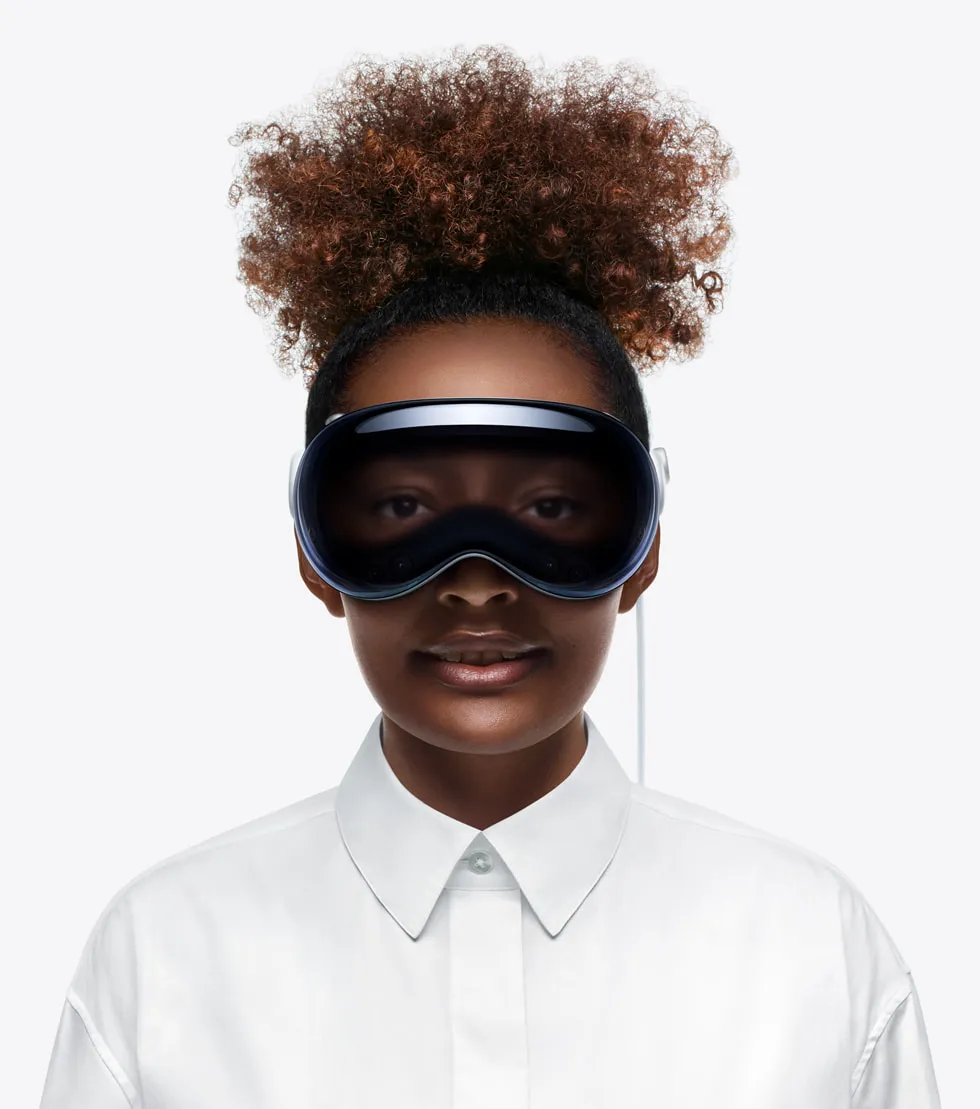
The company is also expected to continue investing heavily in spatial computing following the launch of the Apple Vision Pro. Many analysts believe this could become the foundation for Apple’s next major platform beyond smartphones, potentially shaping how users interact with entertainment, productivity, and communication in the future.
Despite all these changes, Apple’s key goal will stay grounded, which is through its well connected ecosystem. Whether wearable, services, AI Integration or custom silicon development, the company depends on how seamlessly it can connect its products into one unified experience for users around the globe.
If you want to know more about Apple's online payment options in different markets, take a quick look at our article on MicroMunch!
Conclusion:
With all the hustle and bustle of what is taking place at Apple HQ, critics and tech enthusiasts alike are expecting some great things to come out of John’s tenure as CEO. More product launches and unique line-ups are awaited. As one of the company’s most respected hardware leaders, his potential move to the CEO position signals a future driven by innovation, engineering, and the evolution of Apple’s expanding ecosystem.
While replacing an influential leader like Tim Cook is a monumental task, the overall transition is expected to be smooth, given that Cook will remain involved in back-end operations as Executive Chairman of the Board.
Whether through products like the iPhone or ambitious platforms such as the Apple Vision Pro, the company appears focused on shaping the future of consumer technology once again. As Apple prepares for what may be its biggest leadership transition in over a decade, the industry will be watching closely to see how the company reinvents itself under a new vision.
By Siddhant Kohli

Stay updated with our latest news and articles. Join our newsletter!
Trending Now
No trending posts found.