
The Global Pause on 1st May: Countries, Industries & Economic Impact Explained
2026-04-29
Every year, the 1st May holiday is celebrated across the globe by each worker in their own way. A large part of the world slows down, offices close, factories fall silent, and millions take a day off. But this isn’t just a holiday. It’s a date rooted in struggle, rights, and the reshaping of modern work culture.
It has a long history that started this celebration, this day changed working conditions for many, making labour and earning a convenience. Today, we will explore the significance of this day, other than the globally celebrated International Workers' Day, along with how the economy deals with this slow-flowing day when almost the entire world is taking a pause.
Significance of the 1st May Holiday
Globally, the 1st May holiday is celebrated as International Workers' Day, also known as Labour Day in many countries. Its origins trace back to 1886 established to honour the Haymarket Affair in Chicago, where workers protested for an eight-hour workday. This began as a labour movement in the United States and has evolved today into a global symbol of workers’ rights, dignity, and fair labour practices. Which keeps on updating according to time now, including fair wages, retirement settlements, ages, leaves they deserve, and so on and so forth.
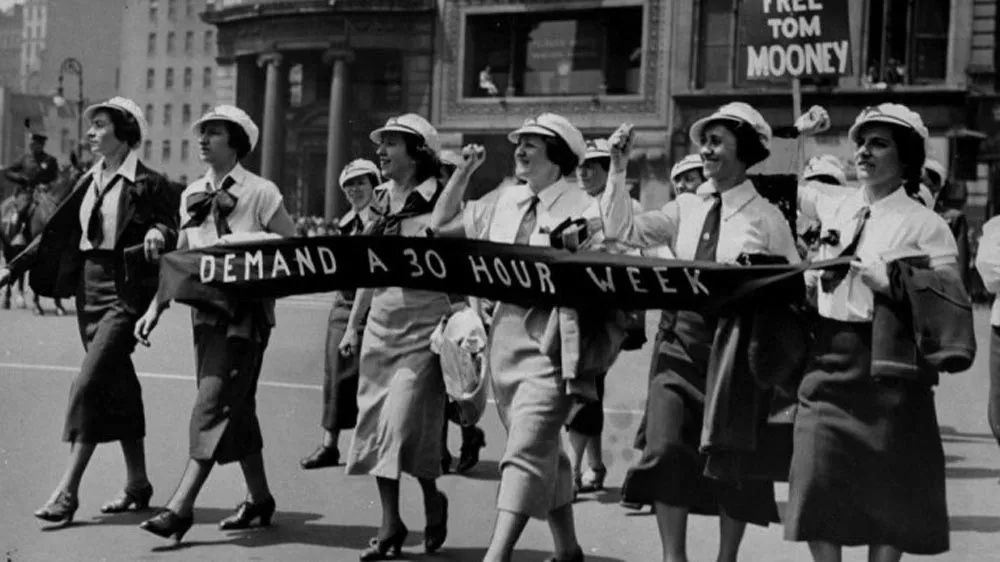
So the significance of Labour Day among the working class who face the difficulty is immense as they understand the struggle labours when gaining the benefits they are enjoying today. This day represents the fight for fair wages and working hours, recognition of workers across industries, and the evolution of labour laws and protections.
1st May Day: Countries That Observe It and the Meaning Behind It
Around the globe, more than 80 countries observe the 1st May holiday officially, while over 150 countries recognise it in some form or other. Countries where May 1 is a Public Holiday include India, Germany, Singapore, Mexico, Argentina, France, Italy, Brazil, China, Vietnam, South Africa, Tunisia, Cuba, Uruguay, Chile, Egypt, Thailand, and Russia. But in many countries, other than celebrating Labour Day, they have cultural and religious celebrations such as
- In Cambodia, May 1st is a religious holiday along with Labour Day, as it is celebrated as Visakh Bochea Day or Buddha Day, celebrating Buddha’s birth, enlightenment, and death, visiting pagodas, offering prayers, lighting candles, and reflecting on Buddhist teachings peacefully.
- In Estonia, 1st May is celebrated as kevadpüha as it marks the arrival of spring and renewal. People celebrate outdoors, enjoy nature, and embrace seasonal change with cultural traditions and gatherings nationwide.
- India celebrated 1st May as Maharashtra Day, as it marks the constitutional formation of the state, and Buddha Poornima is celebrated to commemorate Buddha’s birth, enlightenment, and teachings.
- Nepal celebrates this day as Buddha Jayanti, Ubhauli harvest Festival, Chandi Purnima, and Labour Day, blending Buddhist and indigenous traditions with rituals, dances, and community gatherings.
- In Sri Lanka, it is also Adi Vesak Full Moon Paya Day, commemorating Buddha’s birth, enlightenment, and passing. Celebrated with lanterns, temple visits, charity acts, and spiritual reflection across the country.
We can see a notable difference in the United States, which celebrates Labour Day on the first Monday of September, not May 1; Canada follows a similar pattern. So while it’s not literally “the whole world,” a significant majority of global economies acknowledge this day.
Who Stops Who Works: May Day Inside Industry Operations
Industries are typically closed, and around 60–70% of traditional sectors pause operations during the bank holiday on the occasion of International Labour Day. Primarily because they are deeply tied to formal labour laws, fixed schedules, and employee rights frameworks, while some keep functioning, that comply of roughly 30–40% of industries.
The Non-Functional Sector
- Government offices and administrative services, being public sector institutions, are fully shut down as the day itself is dedicated to workers’ rights. Essential civic services, however, remain on standby.
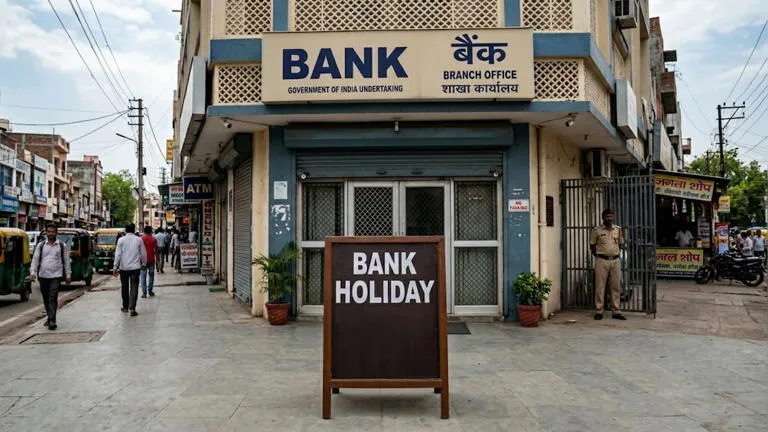
- Banking and financial institutions face partial closures as they typically close physical branches. However, digital banking, ATMs, and online transactions continue seamlessly, reflecting how finance has evolved beyond physical dependency. Stock markets may also remain closed depending on the country.
- Corporate offices and IT companies observe the holiday, especially in countries where May 1 is legally recognised. However, global IT and outsourcing firms often maintain limited backend operations, as they support international clients across time zones.
- Manufacturing units and factories halt operations to comply with labour laws and union agreements, also helping them in cost control.
- Educational institutions like schools, colleges, and universities remain closed, both as a public holiday and as an opportunity to acknowledge the contributions of workers within the education system. These sectors rely on structured working hours and formal labour systems, making them more aligned with labour holiday observances.
The Functional Sectors
- Essential Services like Healthcare are on-time hospitals, and emergency services are functional. Other essential sectors like public transport and logistics, utilities department (electricity, water, telecom) are also functioning.
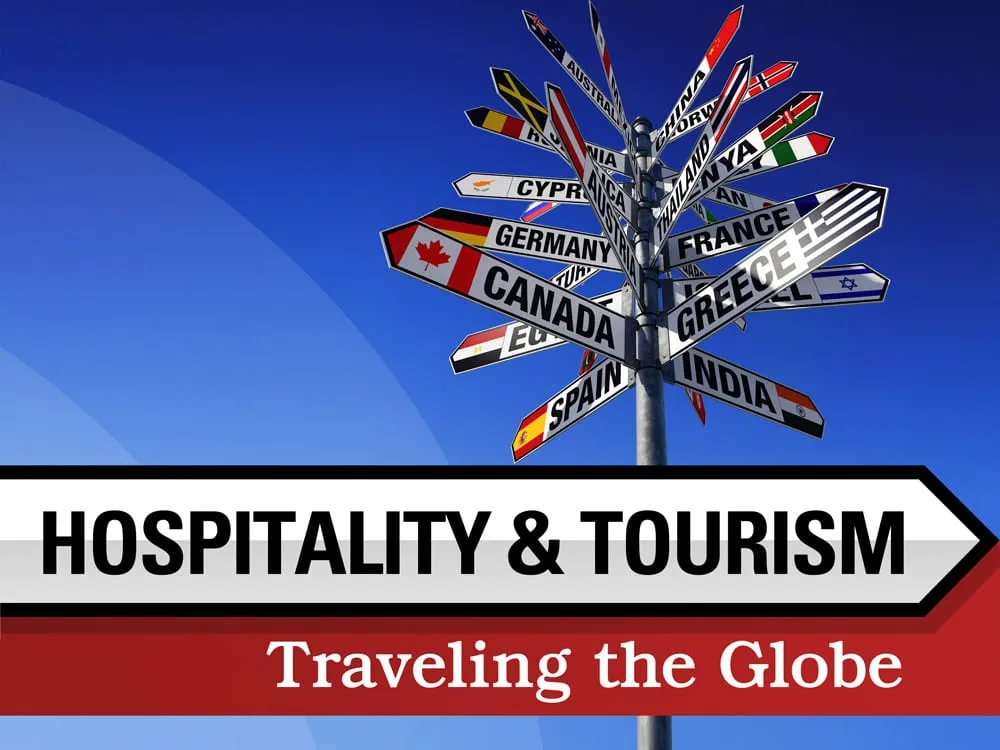
- Then there are consumer & experience economy; hospitality sector like hotels, restaurants, tourism, along with Entertainment and media see increased activity, as people travel, dine out, watch movies, and celebrate holidays, making it one of the busiest days.
- Retail and e-commerce are other consumer-based economy platforms that remain active, benefiting from holiday shopping, discounts, and increased consumer spending driven by leisure time.
- Global & Digital Operations like Stock markets, International trading desks, IT services supporting global clients are working depending on the country; some are closed, some open to provide service depending on their nature of work and necessity.
- To surmise, we can say that the world pauses or slows down, but it never fully stops.
Cultural vs Economic Reality of Labour Day Holiday
The Socio-Cultural Events
Along with understanding the significance of Labour Day, many celebrate it in a socio-cultural enthusiasm, for instance;
- Countries like India and Germany observe labour unions organise rallies, Workers celebrate achievements and rights, and communities host parades and public gatherings.
- In Argentina and Mexico, it’s both a political and a social day.
- In Singapore, the day is more structured and symbolic, with official recognition but less street-level activism.
Financial Impact Holiday Affect Economies?
Short-Term Impact on the Economy
- On International Workers' Day, honoring labours effort large portion of the workforce is given the day off, so there is a temporary slowdown in economic activity.
- It won't be wrong to mention that productivity dips as offices, factories, and institutions in around 80 countries are closed.
- Even the stock markets may shut in countries observing the holiday, pausing trading activity, which largely works on economic flow.
- Banking around most of the world slows down, especially physical transactions and approvals. Well, due to digitalisation, people have a way out to carry on-line transactions, yet one can say 80% of transactions are on hold.
- However, this slowdown is short-lived and limited to a single day, so it doesn’t create any lasting economic damage, just a timely hold.
Why It Doesn’t Hurt the Economy
What we witness is a visible pause on Labour Day; yet, with the advancements, modern economies are designed to keep functioning in the background:
- We have digitally buffered systems like online banking, e-commerce, and automated services that continue operating without interruption through digital platforms.
- Global trade across time zones is functional even if one country pauses; others remain active, keeping international business moving.
- One would notice that essential industries stay operational, like healthcare, transport, utilities, and logistics, which move to ensure continuity.
Simply put, this means the economy doesn’t stop; it simply shifts gears temporarily from fully functional to partial workings.
The Hidden Economic Boost
While most of the eyes are on the chopped edges due to the International Workers' Day holiday, what they miss is the silent gains made in the vacuum of operations. Interestingly, May 1 can actually increase spending in certain sectors. For instance:
- Travel and leisure rise, as people use the holiday for short trips or outings, so ample is invested and earned in the tourism and hospitality business. Tourism benefits, particularly when the holiday creates a long weekend
- Retail and dining see higher footfall, especially in malls, restaurants, and entertainment spaces, as holidays call for relaxation and celebration.
So it would be safe to say that instead of causing a decline, May 1 leads to a redistribution of economic activity. There is less production and office work, yet consumer spending and experiences spike. In simple terms, the economy doesn’t lose money; it just moves from desks and factories to restaurants, travel, and leisure spaces for a day.
Frequently Asked Questions:
1. Is 1st May a holiday in all countries?
Ans) No, May 1 (International Workers' Day) is not a holiday everywhere. Over 80 countries observe it officially, but nations like the United States and Canada celebrate Labour Day in September instead.
2. Which countries have Labour Day holiday?
Ans) Many countries observe Labour Day on May 1, including India, Germany, France, China, Brazil, and Russia. It is widely recognised across Europe, Asia, and Latin America as a public holiday.
3. Why is there an Economic Blackout Day?
Ans) An “economic blackout day” isn’t an official global event but a symbolic idea linked to International Workers' Day. It reflects how large-scale workforce pauses can temporarily reduce productivity, highlighting workers’ importance while also shifting spending toward leisure, travel, and consumer-driven sectors.
4. Why is 1st May celebrated as Maharashtra Day in India?
Ans) In India, May 1 marks Maharashtra Day, commemorating the creation of Maharashtra state in 1960 after linguistic reorganisation. It celebrates regional identity, culture, and political history with parades, official ceremonies, and public events across the state.
Final Thought: A Day That Reflects How the World Works
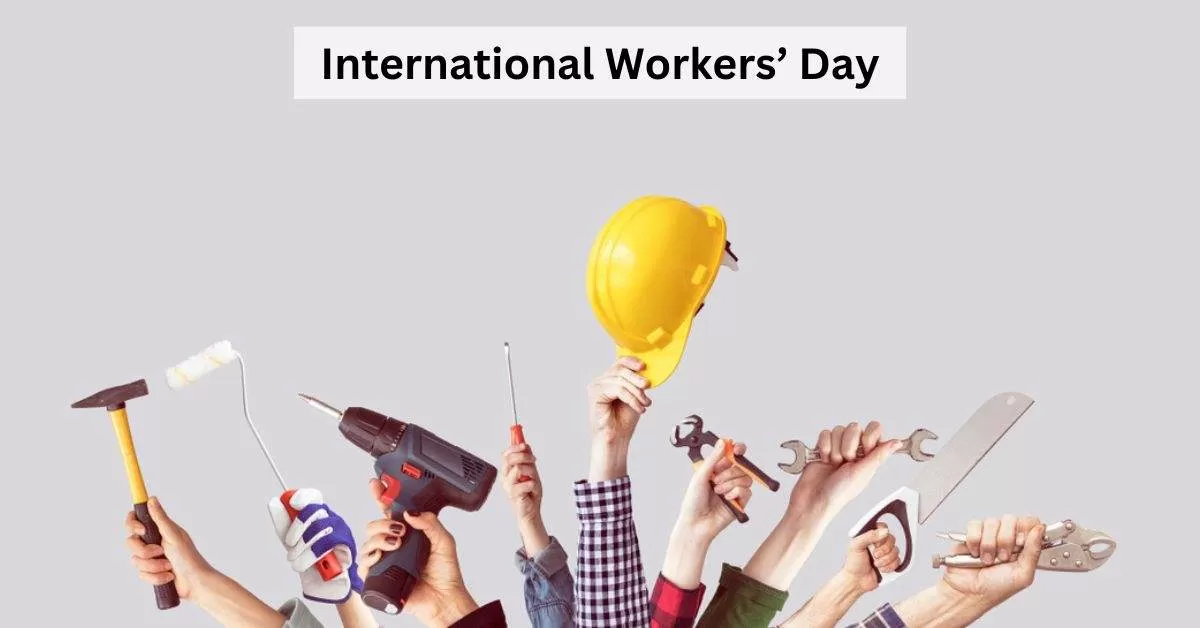
May 1 is more than a holiday; it's honouring the labourers who fought for workers' rights. It’s a mirror that shows how economies balance rest and productivity. Carefully crafting who can afford to stop working and which systems must keep running. From factory floors to financial markets, from protests to paychecks, May 1 captures the complex rhythm of the modern world.
In some regions, mixing with cultural significance, it maintains the global beat, uniting the spirit of labourers. Because even when the world pauses, its foundations must keep moving.
And along with the world, you should also keep moving and to know more such finance-related briefings in this circulating finance, follow Micromunch to be timely updated.
– P. Manika (Performist Content Writer)

Stay updated with our latest news and articles. Join our newsletter!
Trending Now
No trending posts found.
Related Articles
Debug: Tags used: economic blackout May 1st, 1st May holiday, 1st may 2023 bank holiday, may 1st religious holiday, labours day, significance of labor day