The Subscription Trap: How to Save Money in the Streaming & Digital Economy
2026-09-24
How COVID, streaming, AI and the platform economy transformed digital consumption—and why consumers may now be better off with fewer subscriptions
The digital economy has gone through one of its most significant transformations over the past six years. COVID-19 accelerated a shift that was already underway, pushing work, entertainment, shopping, education, food delivery and even financial services deeper into the digital world. Consumers who once used a handful of websites and applications suddenly became dependent on dozens of them. Streaming replaced much of traditional television, online shopping became routine, quick commerce introduced the expectation of near-instant delivery, and smartphones evolved from communication devices into gateways to almost every aspect of daily life.
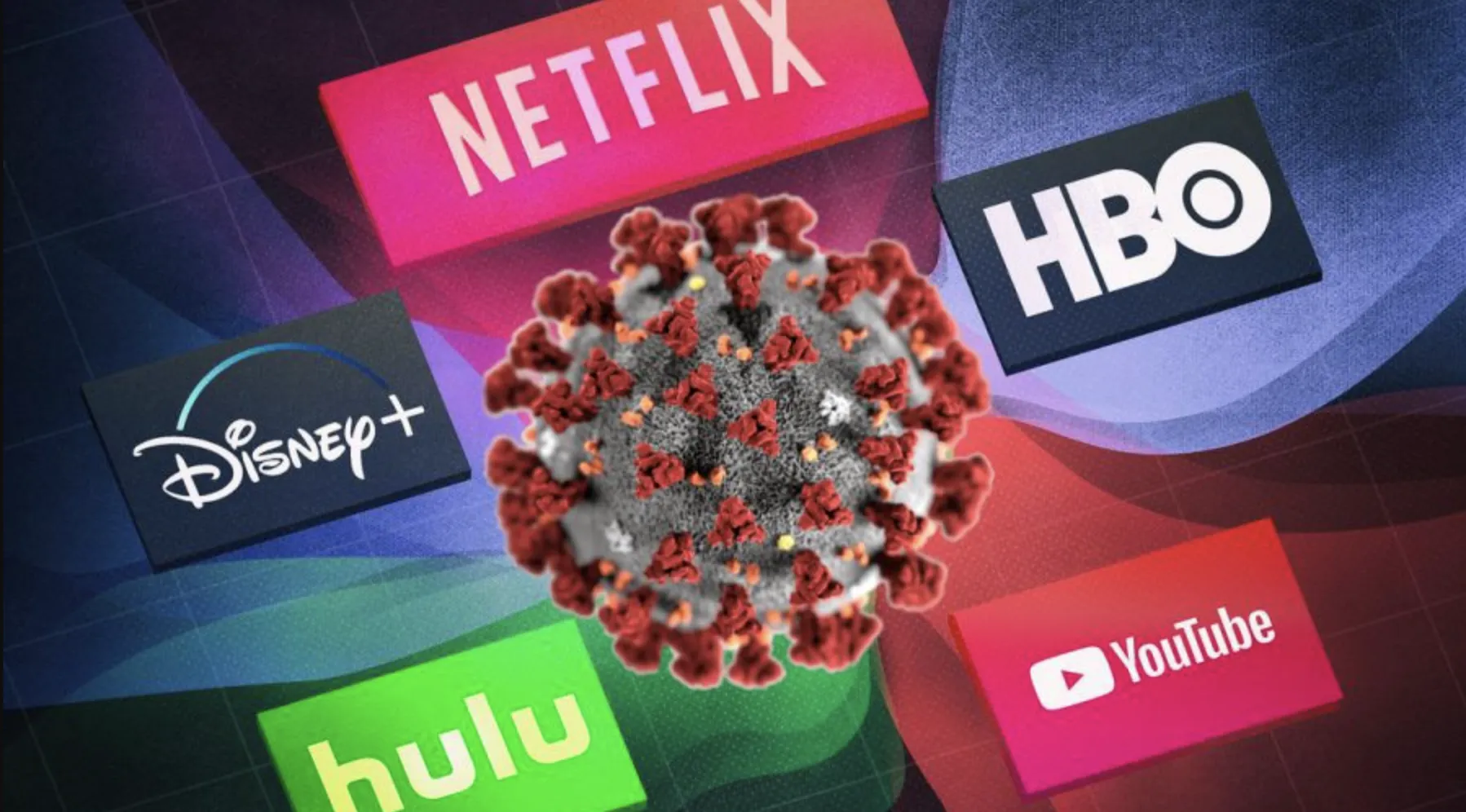
The result was extraordinary convenience, but it also created a new problem: digital fragmentation. Consumers were no longer simply paying for products and services. They were paying for access to ecosystems, and increasingly, those ecosystems came with monthly subscriptions. Netflix for entertainment, Disney+ for franchises, Apple TV+ for premium programming, Amazon Prime for entertainment and shopping, YouTube for creator content and Paramount, Sony and other platforms for additional entertainment. Each subscription might appear affordable individually, but collectively they can become a significant recurring expense.
At the same time, the arrival of generative AI has created another layer of complexity. AI has dramatically lowered the barriers to producing written content, images, video, music and other forms of digital media. This has opened enormous opportunities for creators and businesses, but it has also created an unprecedented abundance of content. Consumers are no longer living in a world where the primary challenge is finding something to watch. Increasingly, the challenge is deciding what is worth their time.
That combination of subscription fatigue, content abundance and economic pressure is forcing consumers to rethink how they spend money on digital services.
From One App for One Job to Entire Digital Ecosystems
The evolution of the technology industry helps explain why consumers ended up with so many subscriptions in the first place. During the early phase of the digital revolution, companies generally built products around a specific use case. Netflix was primarily about streaming movies and television. Amazon was primarily an online marketplace. YouTube was a video-sharing platform. Apple sold devices and built an ecosystem around its hardware and software.
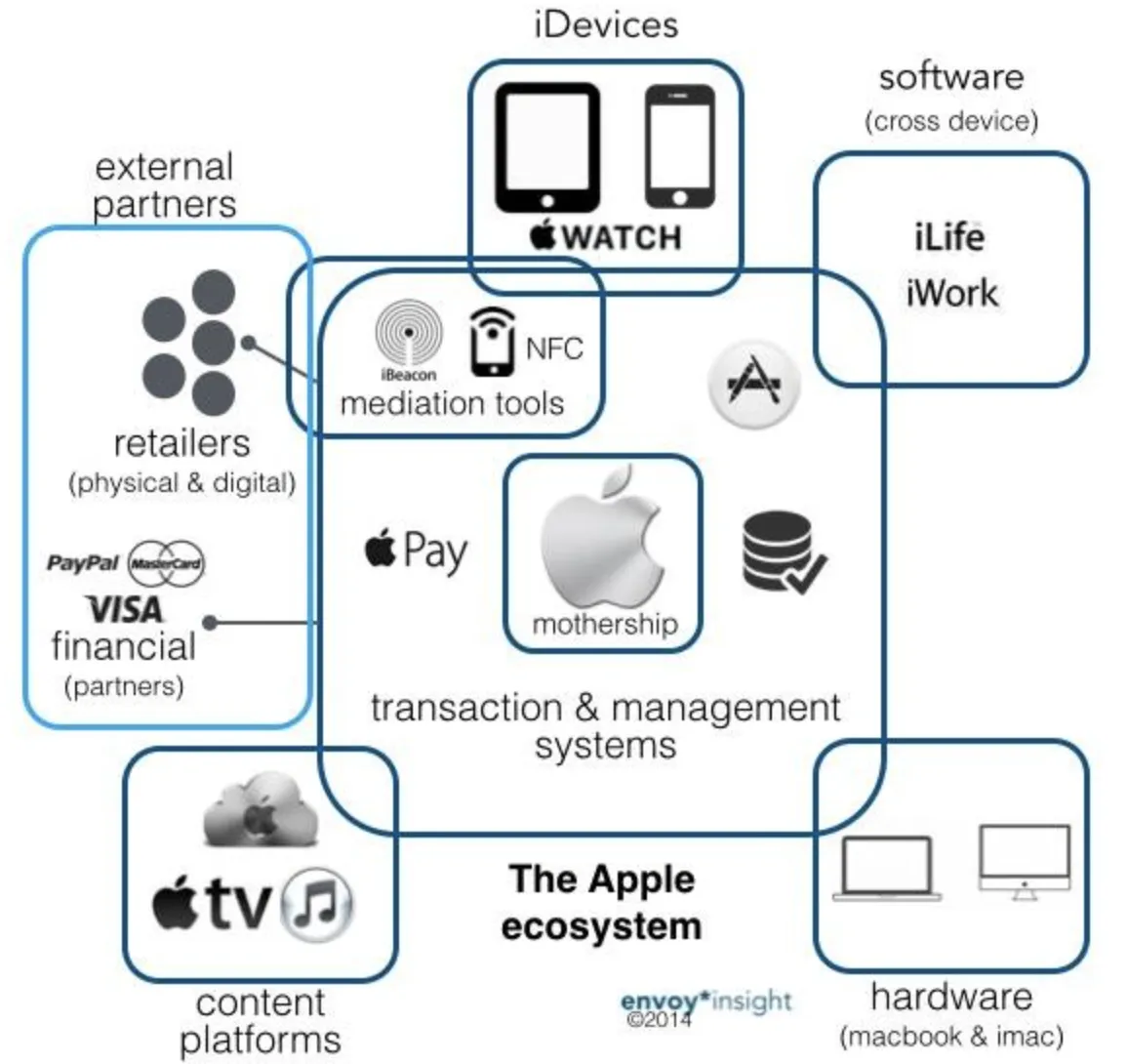
As digital adoption accelerated, however, these companies began moving horizontally into adjacent categories. The objective was no longer simply to provide one service. It was to become an increasingly important part of the consumer's daily routine.
Amazon is perhaps one of the clearest examples of this evolution. What began as an online bookstore eventually became a global commerce platform. Prime then expanded the relationship between Amazon and its customers by combining shipping and shopping benefits with entertainment and other services. The broader Amazon ecosystem now touches commerce, video, music, groceries, advertising, logistics, cloud infrastructure and financial services in different markets.
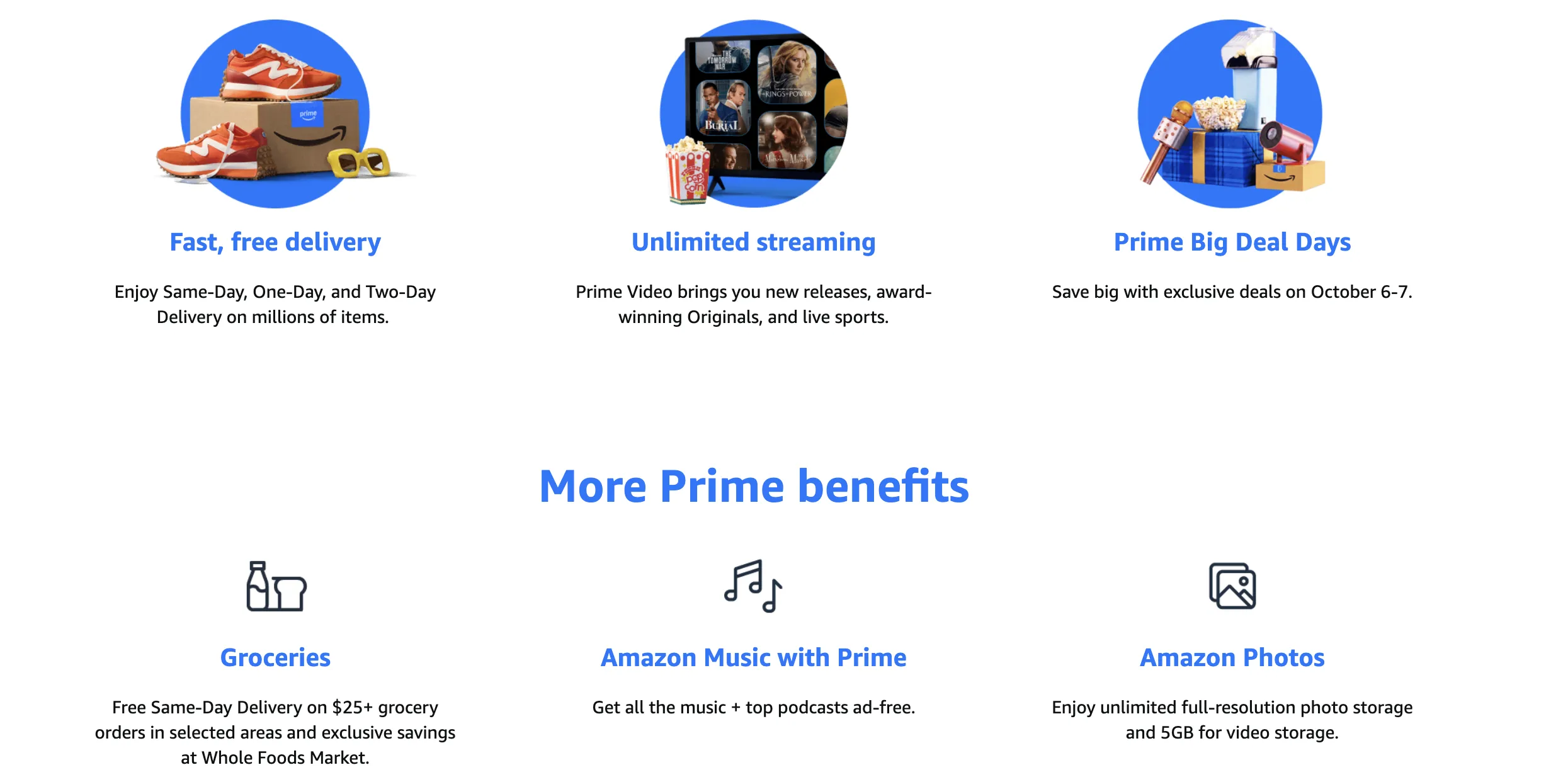
Apple followed a similar trajectory, moving beyond hardware into services, payments, cloud storage, entertainment and subscriptions. Disney has leveraged its enormous entertainment IP across streaming, film, television, sports, merchandise, theme parks and advertising. YouTube has evolved from a video-sharing site into a massive creator economy encompassing advertising, music, premium subscriptions, podcasts, live content and increasingly, commerce.
The strategic logic is straightforward: the more aspects of a consumer's life a platform can address, the more opportunities it has to retain that consumer and generate revenue.
Streaming Has Become a Much More Complicated Business
The streaming revolution initially appeared to be a straightforward challenge to traditional television. Consumers could pay a relatively modest monthly fee and access a large library of content without the traditional cable bundle.
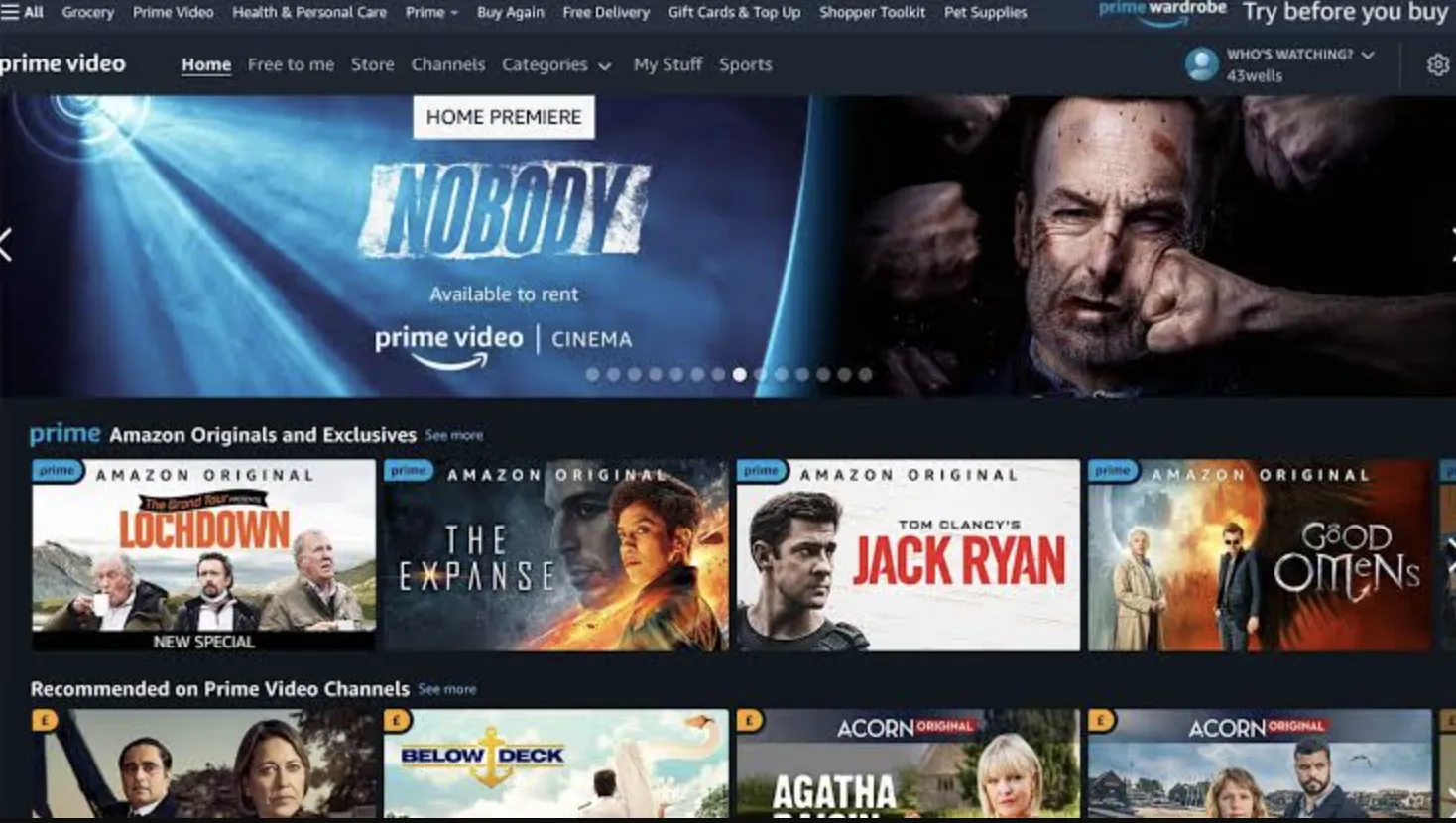
But the industry quickly became crowded. As studios and technology companies launched their own streaming services, consumers accumulated subscriptions. Instead of replacing the old television bundle with one digital service, the market effectively began recreating the bundle through multiple independent subscriptions.
A household might have Netflix, Disney+, Amazon Prime, Apple TV+, Paramount+ and another specialist service. Add music, cloud storage, gaming subscriptions and other digital services, and the monthly bill can become surprisingly large.
The economics have also changed for streaming companies. Subscriber growth can no longer be the only objective. Content is expensive, competition is intense and investors increasingly expect sustainable profitability. As a result, many streaming platforms have introduced advertising-supported tiers, increased prices, explored live programming and sports, expanded into games or other forms of entertainment, and looked for additional ways to monetise their audiences.
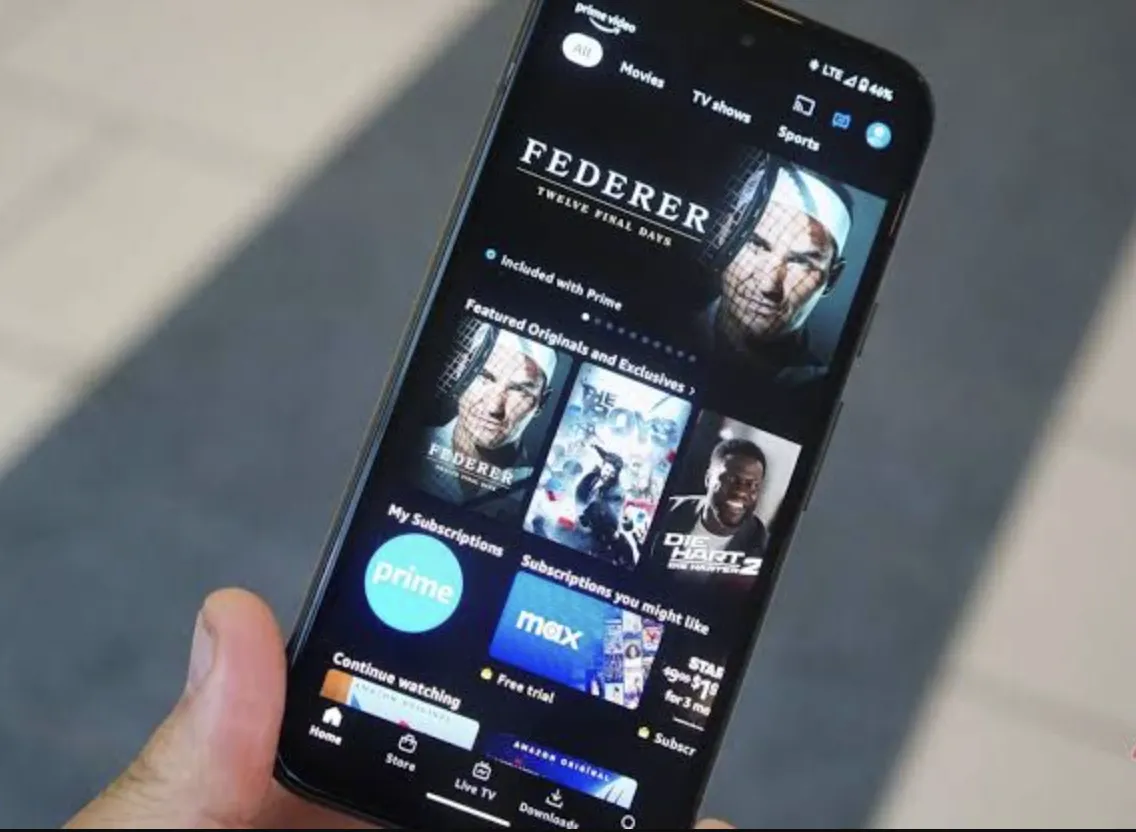
The streaming business has therefore moved from a simple subscription model toward a hybrid model built around subscriptions, advertising, engagement and broader ecosystems.
The Consumer Is Paying for Convenience—and Sometimes Paying Twice
There is an important distinction between paying for a service and paying for convenience.
A consumer might subscribe to Amazon Prime primarily for shopping benefits but also watch Prime Video. Another might subscribe to Apple services because they own an iPhone and use iCloud, while also consuming Apple TV+ content. Someone might maintain a YouTube Premium subscription because they spend significant amounts of time on YouTube, while another user may be perfectly comfortable watching the free, advertising-supported version.
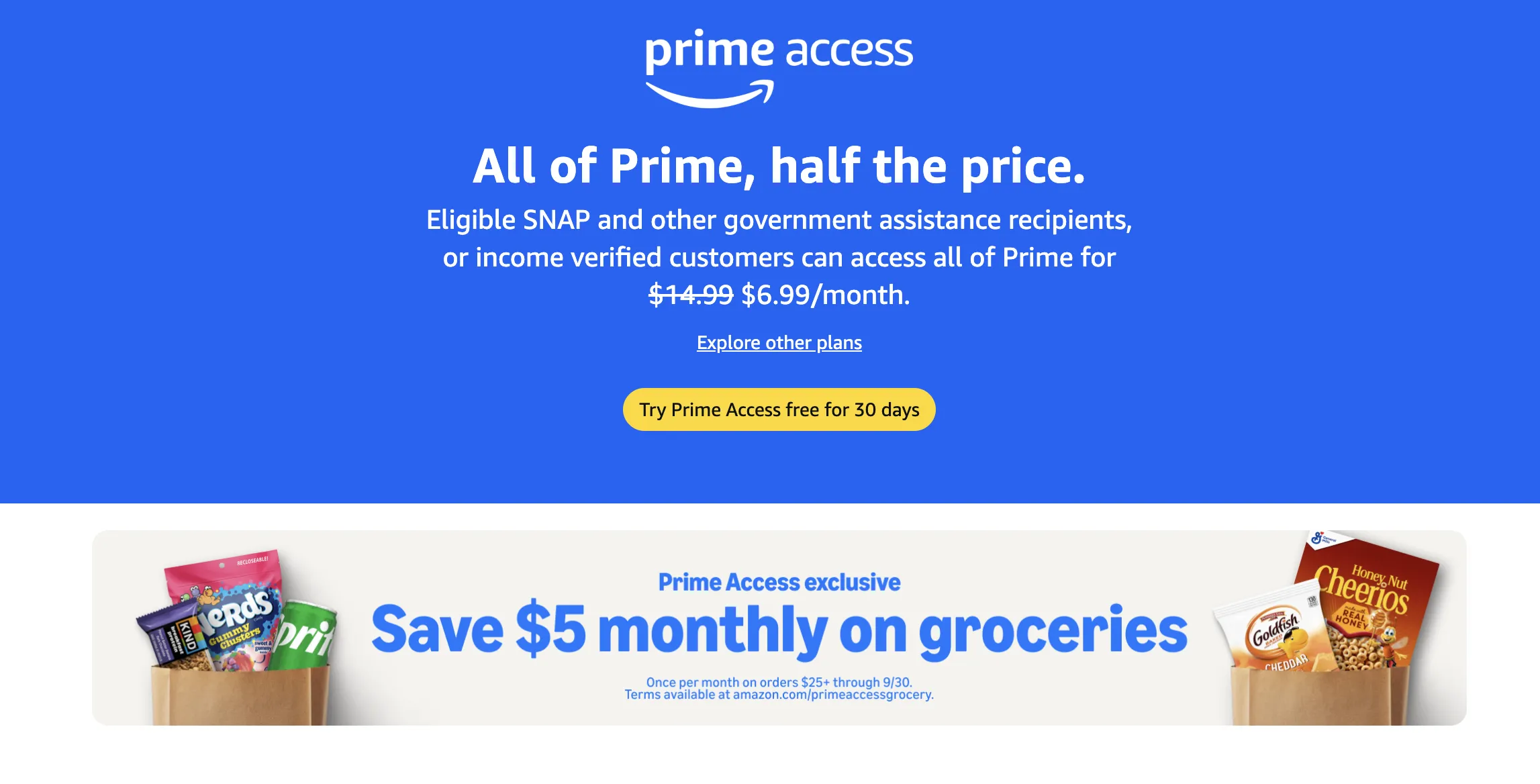
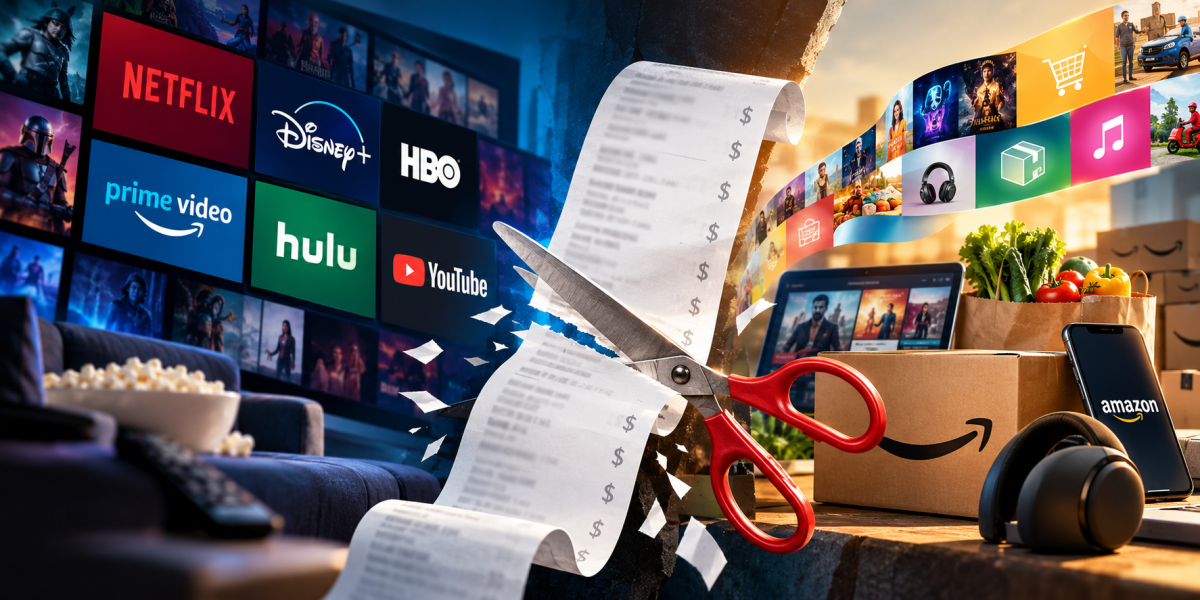
The problem emerges when consumers continue paying for services they barely use. A $10 monthly subscription may not feel significant. Six such subscriptions, however, can easily become $60 a month, or $720 a year. Increase that to $15 or $20 services, and the annual cost can quickly approach or exceed $1,000.
The real question therefore should not be, "How much does this subscription cost?" It should be, "How much value am I actually receiving from this subscription?"That is a fundamentally different way of looking at the digital economy.
The Subscription Audit: Spend on Utility, Not Possibility
One of the simplest ways for consumers to reduce unnecessary digital expenditure is to conduct a subscription audit every few months. Instead of keeping every service active because there might be something worth watching eventually, consumers can evaluate how frequently they actually use each platform.
If Netflix is being used every week, it may justify its place in the monthly budget. If another service was activated for one particular series and has barely been opened since, there is little reason to keep paying for it indefinitely. The same principle applies to music, gaming, cloud storage and other recurring services.
Consumers can also rotate streaming platforms. Rather than maintaining five or six subscriptions simultaneously, a household could subscribe to one or two services, watch the content it wants, cancel or pause them, and then activate another platform when a new release or series justifies the expense.
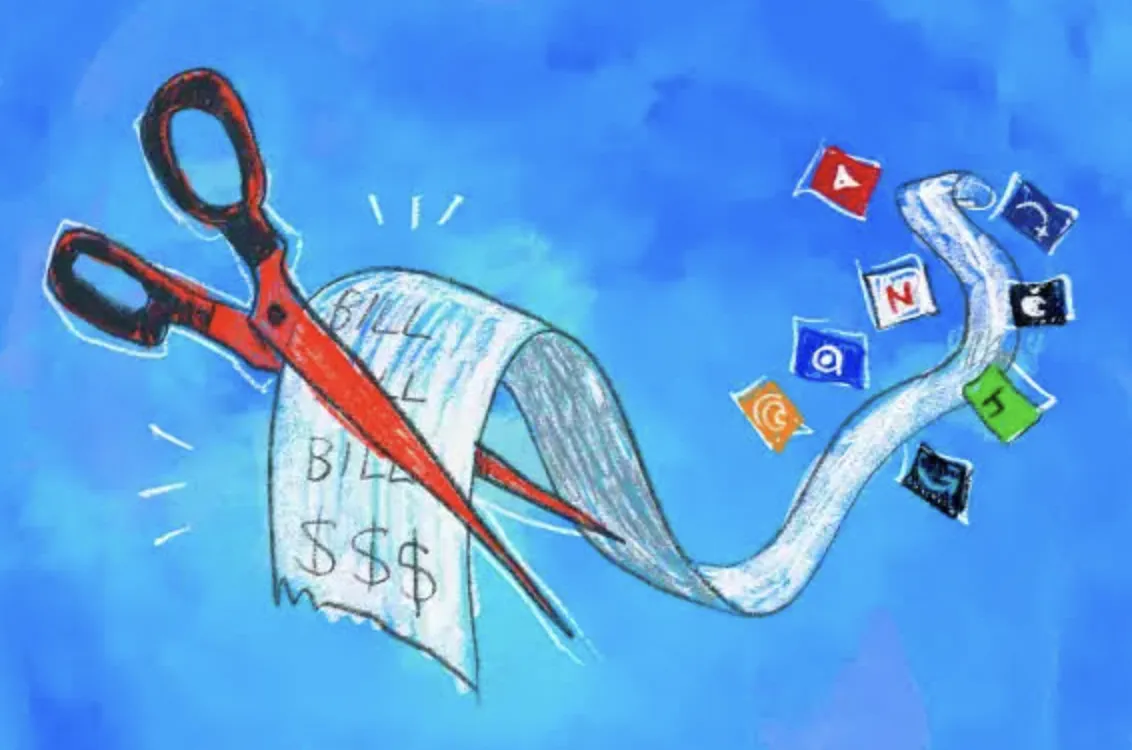
This approach effectively turns streaming into a controlled entertainment budget rather than a collection of permanent monthly expenses.
Free, advertising-supported services also change the equation. YouTube is perhaps the most obvious example. Its enormous creator ecosystem means consumers can access entertainment, education, product reviews, podcasts, tutorials and niche content without necessarily paying for a traditional subscription. The trade-off is advertising, but for many consumers, that may be preferable to adding another monthly charge.
Why Businesses Want to Become the One App You Don't Delete
The consumer's subscription problem is also a significant business opportunity.
Technology companies increasingly want to become the platform that consumers cannot easily replace. This is why the competition is no longer confined to individual categories.
Amazon is not simply competing with Walmart or other retailers. Its broader ecosystem potentially competes for a larger share of the consumer's time and spending. Netflix is not simply competing with Disney for viewing hours; it competes with YouTube, TikTok, gaming, social media and virtually every other form of digital entertainment. Apple is competing across devices, services, payments, entertainment and productivity.
The ultimate commodity is therefore not just content or commerce. It is consumer attention and consumer wallet share. The more services a company can connect within one ecosystem, the more opportunities it has to monetise the same customer without acquiring that customer again.
This is particularly valuable in an environment where customer acquisition costs are rising and investors are demanding stronger economics from technology companies.
AI Could Make Ecosystems Even More Important
The emergence of AI could accelerate this trend.
As AI makes it easier to generate content, the volume of available digital material will continue to increase. That makes discovery, recommendation and personalisation increasingly important. Consumers may eventually care less about which platform has the largest library and more about which platform can help them find the right content, product or service with the least effort.
AI assistants could further reduce the importance of individual apps by becoming an interface between consumers and multiple services. Instead of opening five applications, consumers may increasingly expect one interface to help them discover, purchase, watch, order or manage what they need.
That could create another major shift in the technology industry: from the app economy to the ecosystem economy.
The Amazon Prime Argument: One Ecosystem Can Deliver More Value
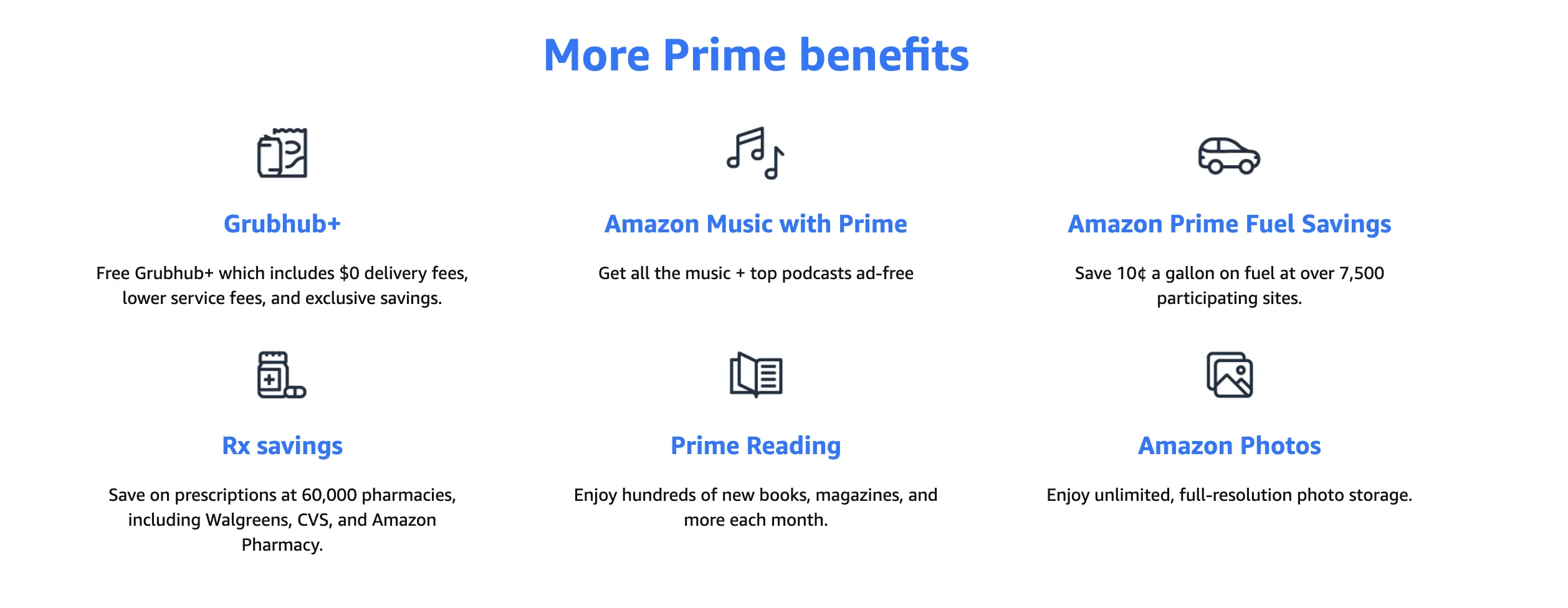
This is where my own consumption preference becomes relevant. If I had to choose a single ecosystem for both entertainment and everyday digital consumption, Amazon Prime would be a logical choice for me.
The reason is not necessarily that Prime has the best individual streaming catalogue. A consumer can find exceptional content on Netflix, Disney+, Apple TV+ and other services. The difference is the breadth of utility.
Amazon can combine shopping, delivery, entertainment and other everyday services within the same ecosystem. YouTube, meanwhile, provides an enormous amount of free, advertising-supported creator content that can fill many of the gaps left by traditional streaming services.
That combination means I do not necessarily need to maintain a large collection of entertainment subscriptions simultaneously. Instead, I can use one ecosystem for a broad range of everyday needs and supplement it with free content where appropriate. For another consumer, the optimal combination could be completely different. Someone who watches Disney franchises constantly may place greater value on Disney+. A heavy Apple user may derive significant value from Apple's broader services ecosystem. A household that watches Netflix every day may find that subscription essential.
The principle is therefore not "Amazon is better."
The principle is that consumers should evaluate ecosystems based on their actual lifestyle rather than subscribing to every platform simply because it contains something they might eventually watch.
The Future of Digital Consumption May Be About Doing More With Less
The digital revolution gave consumers something previous generations never had: almost unlimited choice.
But unlimited choice comes with a cost.
There is a financial cost from maintaining multiple subscriptions. There is a cognitive cost from managing multiple platforms. There is a time cost from navigating endless libraries. And with AI accelerating content production, there is an increasing attention cost associated with separating valuable content from everything else.
For technology companies, this creates a powerful incentive to expand beyond individual products and build ecosystems that capture a larger share of the consumer relationship.
For consumers, it creates an equally important opportunity to become more selective. The objective should not necessarily be to eliminate every subscription. Nor is it to find a single platform that does everything. Instead, consumers should identify the services that genuinely deliver recurring value, use free or advertising-supported alternatives where they make sense, rotate specialist subscriptions when necessary and regularly reassess where their money is going.
The future of digital consumption may ultimately be less about having access to everything and more about having access to enough of the right things.
In an economy where content, applications and digital services are becoming increasingly abundant, the most valuable resource may no longer be access.
It may be simplicity.
By Tommy Thounaojam- Editor Micromunch

Stay updated with our latest news and articles. Join our newsletter!
Trending Now
No trending posts found.