China’s Flying Car Push Signals a New Era for Global Transport
2025-12-19
Flying cars, long a fixture of science fiction, are moving closer to reality as China accelerates the development of low-altitude air travel. Backed by strong state support, Chinese companies have begun mass-producing electric flying vehicles, positioning the country at the forefront of a potentially transformative transport revolution.
China’s Low-Altitude Strategy
Beijing has formally designated low-altitude aviation — covering aircraft operating below roughly 1,000 metres — as a strategic emerging industry. The policy framework includes regulatory fast-tracking, infrastructure investment and local government incentives.
Cities such as Shenzhen and Guangzhou are building networks of take-off and landing sites, while airspace rules are being rewritten to accommodate routine civilian flights. Officials describe the sector as a future pillar of economic growth, alongside artificial intelligence and renewable energy.
Chinese manufacturers, including firms linked to major electric vehicle makers, say they are preparing for commercial deliveries within the next few years. Some are already exporting aircraft for tourism, emergency response and short-distance travel.
How Flying Cars Could Change Transport
Supporters argue that electric vertical take-off and landing vehicles — known as eVTOLs — could relieve congestion in large cities by shifting some journeys from roads to the air.
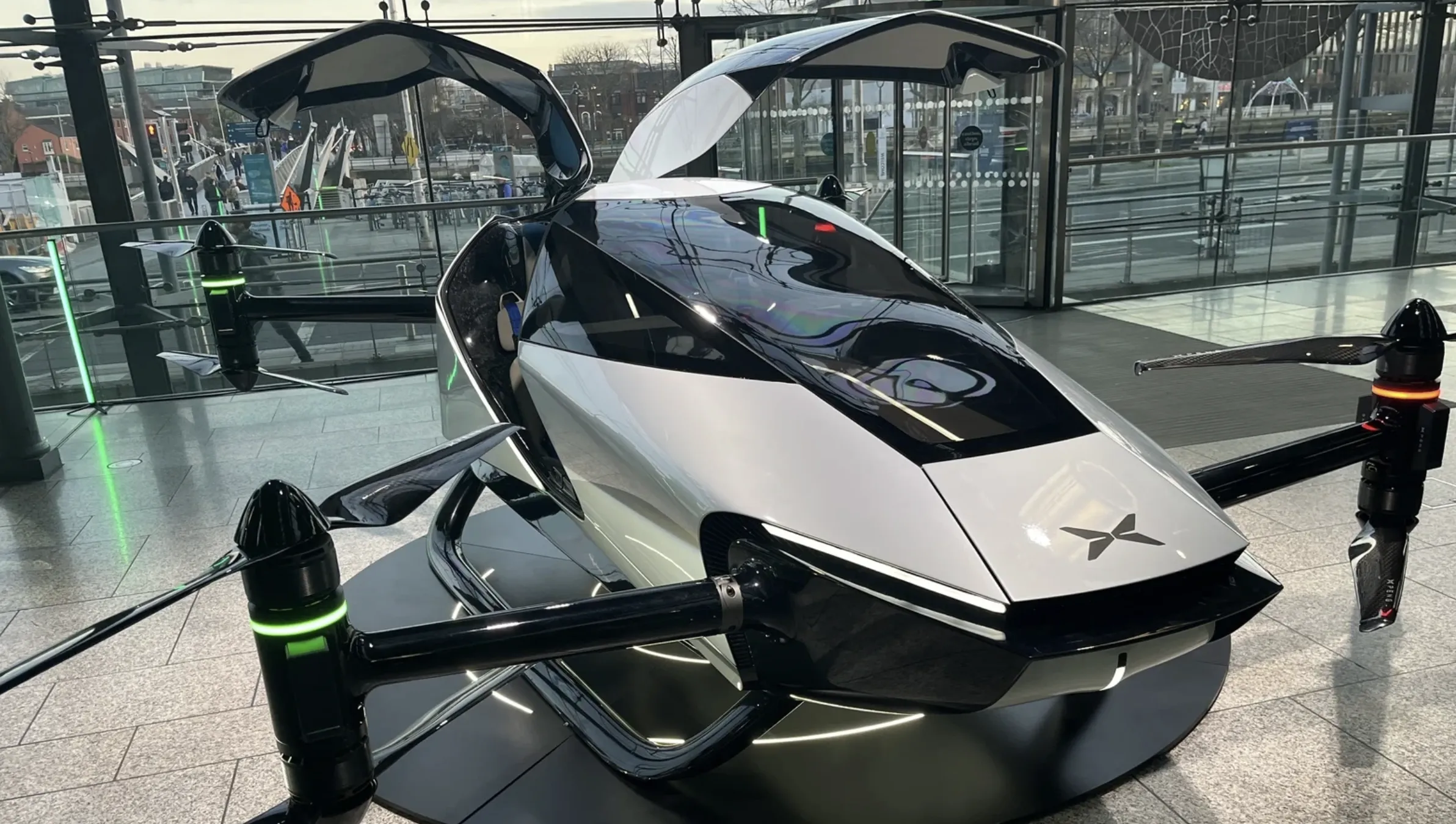
Potential uses include:
1. Short urban commutes
2. Inter-city trips of under 300 kilometres
3. Emergency medical transport
4. Cargo and logistics services
Advances in battery technology, automation and artificial intelligence are seen as critical to making dense low-altitude air traffic safe and economically viable. Developers envision an integrated system, closer to ride-hailing platforms than traditional aviation.
Western Responses and Competitive Pressures
Western aerospace and technology firms are also investing heavily in urban air mobility, particularly in the United States and Europe. Companies such as Joby Aviation, Archer Aviation and Vertical Aerospace are developing air taxi services, often in partnership with airlines and city authorities.
However, regulatory environments differ sharply. Western firms face lengthy certification processes and stricter airspace rules, slowing deployment. In contrast, China’s centrally coordinated approach allows faster testing, approval and scaling.
Industry analysts warn that early dominance by Chinese manufacturers could shape global standards, supply chains and export markets — echoing patterns seen previously in electric vehicles and renewable energy technologies.
Economic Opportunities and Risks
Potential benefits
a. Creation of a new high-value manufacturing sector
b. Reduced urban congestion and travel times
c. Growth in related industries such as batteries, AI and aviation services
d. New export markets for aircraft and infrastructure systems
Key challenges
1. Safety concerns and public trust
2. High infrastructure and energy demands
3. Limited accessibility due to high initial costs
4. Environmental trade-offs linked to battery production
5. Rising geopolitical competition over standards and market access
Critics caution that flying cars may initially serve only wealthy users, raising questions about equity and public benefit.
Here are some Chinese companies leading the way in flying taxis, air cars and low-altitude aircraft thats making waves in the world
1. EHang (Guangzhou EHang Intelligent Technology Co. Ltd.)
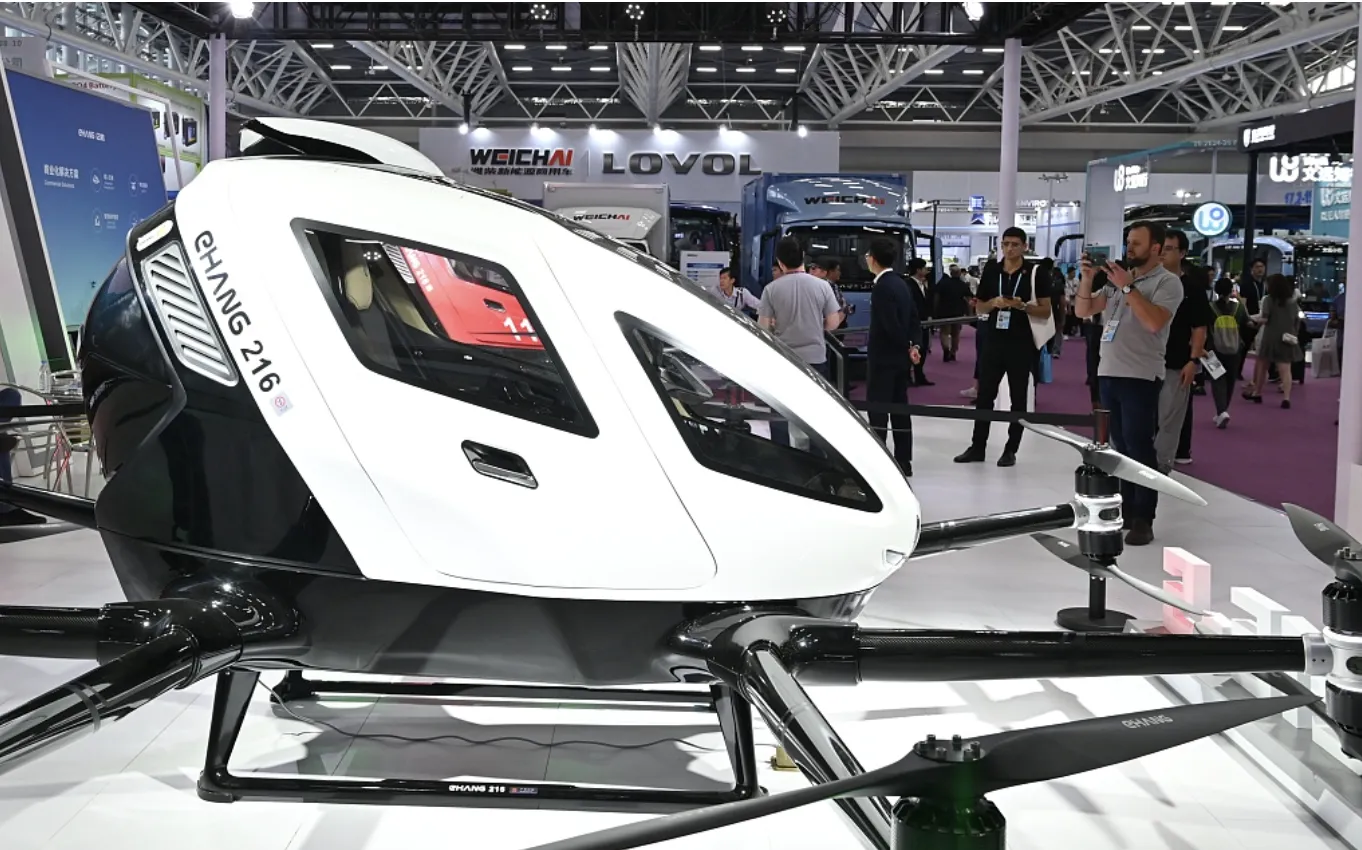
One of the most prominent pioneers in autonomous eVTOL aircraft. EHang’s EH216-S model became the first in the world to receive a production certificate for mass-manufactured pilotless eVTOLs in China. Its vehicles are intended for air taxi services, aerial tourism and airport shuttles as part of China’s low-altitude economy push.
2. XPeng AeroHT (Subsidiary of XPeng Motors)
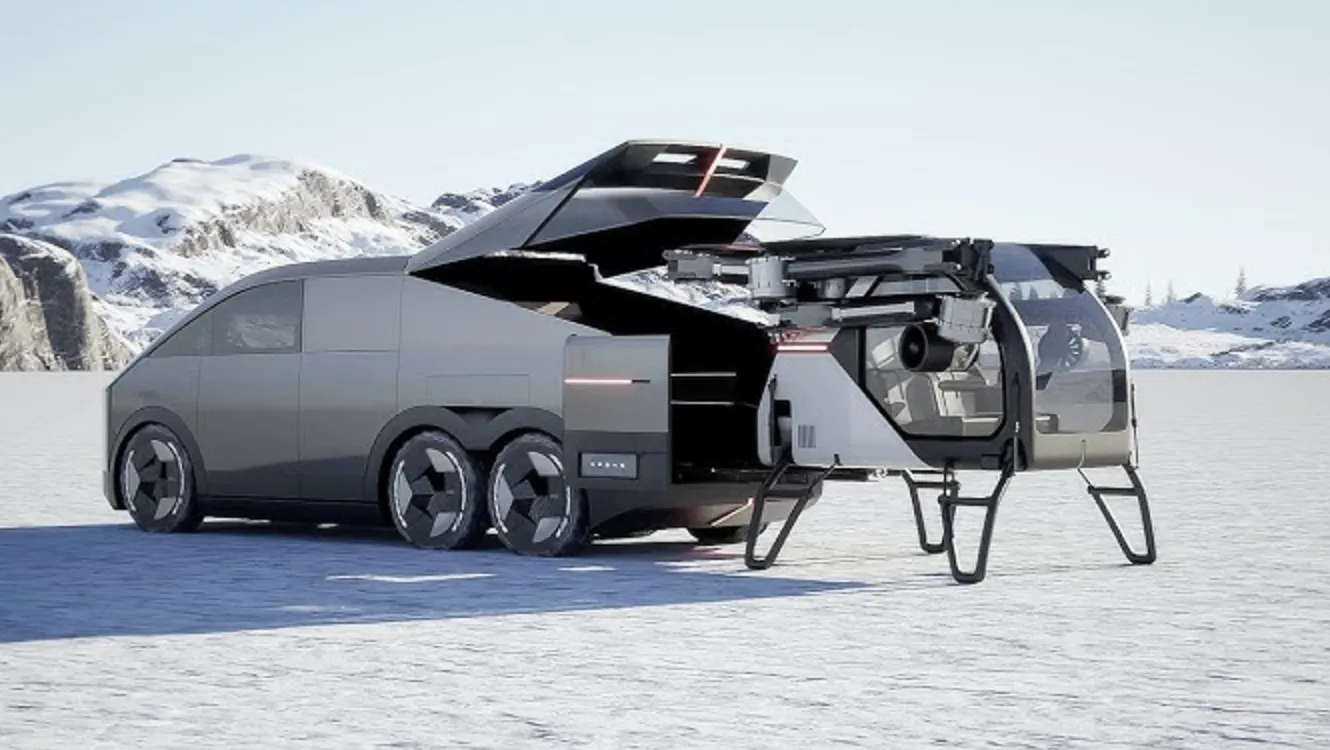
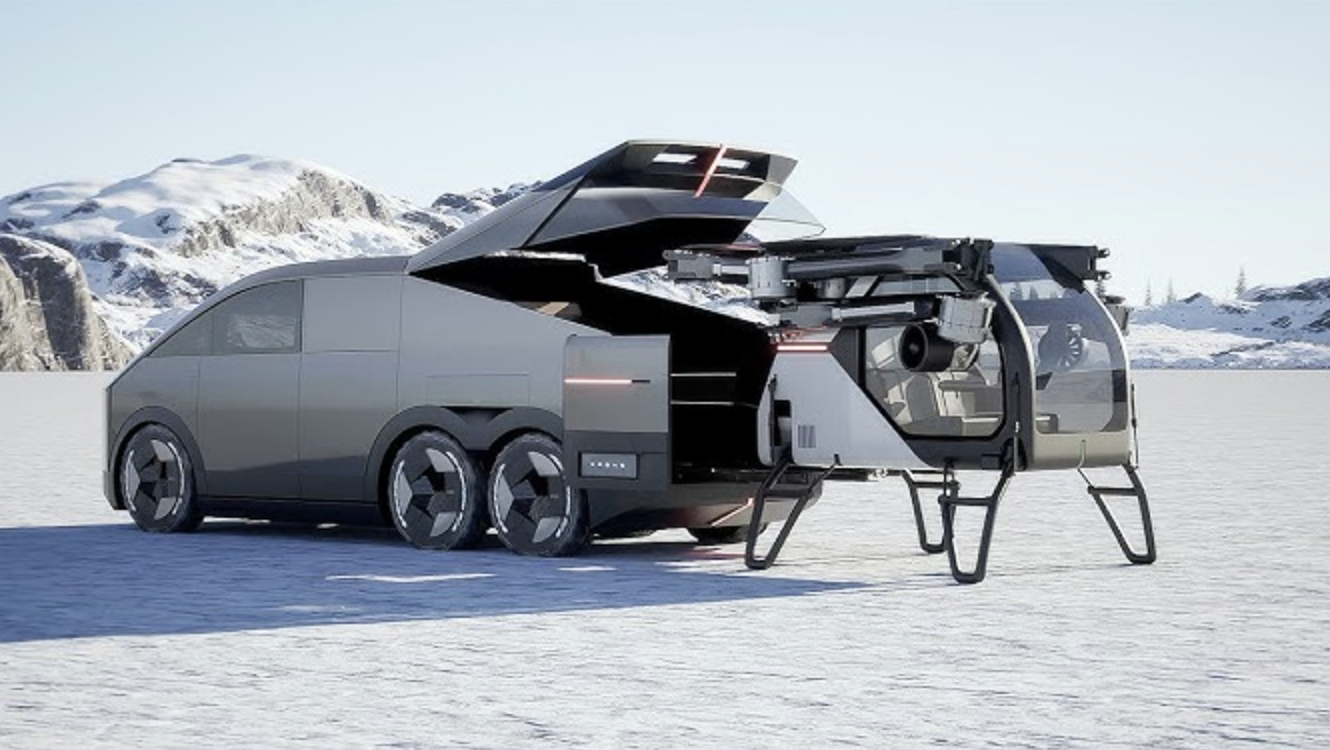
A division of Chinese electric vehicle maker XPeng focused on flying cars and electric vertical take-off and landing vehicles. XPeng AeroHT has developed modular flying cars — including a six-wheeled “Land Aircraft Carrier” that integrates a detachable VTOL — with plans to begin mass production by 2026.
3. TCab Technology (TCab Tech)
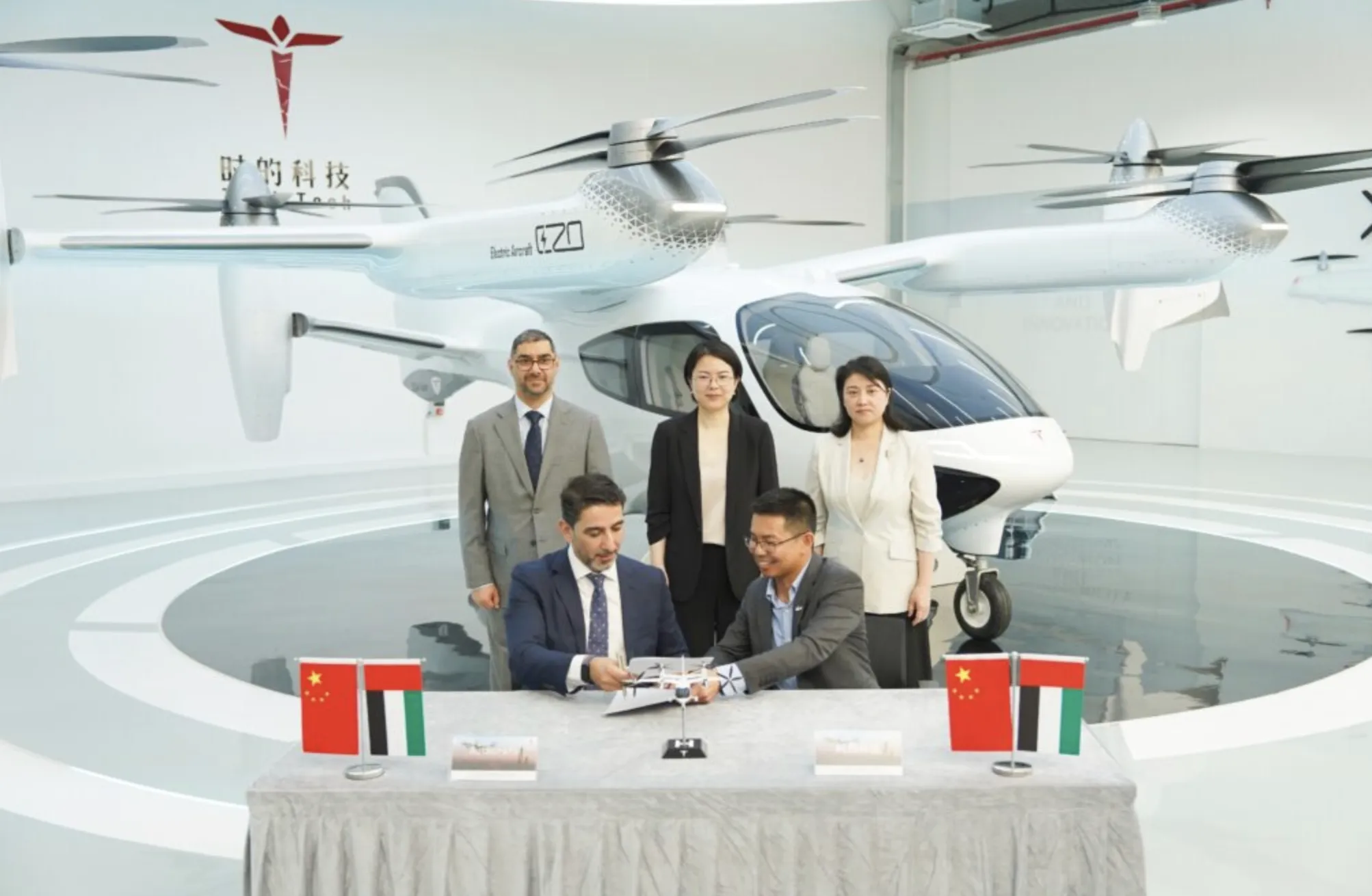
A Shanghai-based aerospace startup developing manned eVTOL aircraft aimed at public air taxi operations. Its E20 prototype has already completed test flights, and the company is working toward certification and commercial deployment — including overseas partnerships.
4. Aerial Rider (ZTYT Feixia / Sky Pilots)
A newer player preparing a tiltrotor passenger autonomous eVTOL with significant payload capacity, targeting commercial operations around 2026. It is investing in hybrid and hydrogen tech alongside conventional electric designs.
5. AnTG Industry
A Shenzhen-based firm that unveiled the AnTG ONE, described as an ultralight single-pilot eVTOL — marketed as a “flying go-kart” — aimed at entry-level civilian flight opportunities in the advanced air mobility space.
Conclusion
China’s push into flying car technology marks a significant moment in the evolution of transport. While widespread adoption remains years away, the combination of state backing, industrial capacity and regulatory flexibility gives China a clear early advantage.
Whether flying cars become a niche solution or a mainstream mode of travel will depend on safety, cost and public acceptance. What is clear is that competition for the skies — at low altitude — has already begun.

Stay updated with our latest news and articles. Join our newsletter!
Trending Now
No trending posts found.