US–Iran Conflict 2026: Business Impact, UAE Exposure, Oil Shock & Global Market Outlook
2026-06-04
At the center of this upheaval lies the Strait of Hormuz—a narrow maritime corridor through which a fifth of the world’s oil supply flows. Any instability here does not remain regional for long. It radiates outward, touching fuel pumps in Mumbai, factory lines in Germany, and balance sheets in New York.
For businesses—especially those tethered to the Gulf economies such as the United Arab Emirates—this is not just another geopolitical episode. It is a stress test of the modern economic order.
The Immediate Shock: Oil, Inflation, and Uncertainty
The first tremor has been predictable: energy.

Oil prices surged sharply as fears of supply disruption intensified, reviving a familiar but unwelcome economic chain reaction—higher transportation costs, rising input prices, and renewed inflationary pressure. For industries already navigating post-pandemic fragility, the timing could hardly be worse.
Major manufacturers and consumer goods companies have begun flagging increased costs tied to petrochemicals, packaging, and freight. Airlines are adjusting routes and fares. Logistics firms are recalculating risk premiums.
Yet the deeper issue is not the spike itself, but the volatility. Businesses can plan around high prices; they struggle when prices swing unpredictably. In that uncertainty, investment slows, hiring pauses, and expansion plans are quietly shelved.
The Gulf Effect: Why the UAE Matters Disproportionately
If oil is the trigger, the Gulf is the transmission system.
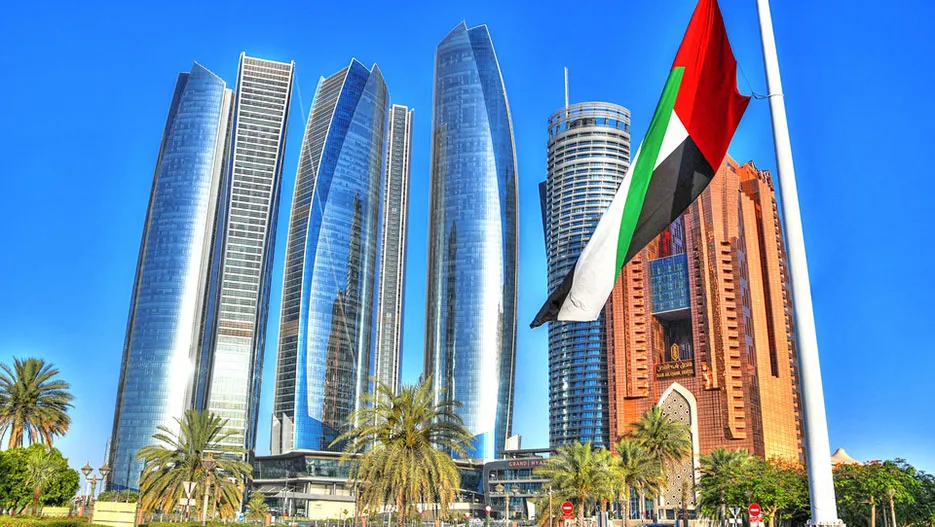
The United Arab Emirates—alongside Saudi Arabia and Qatar—functions as a critical hub for global trade, finance, and logistics. From re-exports to aviation corridors, a vast network of businesses depend on the region either directly or indirectly.
When shipping routes face disruption or insurance costs spike, the consequences ripple outward:
- Indian exporters see delayed payments or reduced orders
- African and Asian supply chains experience bottlenecks
- Global firms reroute cargo at higher cost
For small and medium enterprises (SMEs), particularly those using Dubai as a gateway market, the strain is acute. Thin margins and limited cash reserves leave little room to absorb sudden cost escalations.
Large corporations, by contrast, can hedge fuel costs, diversify suppliers, and shift operations. But even they are not immune; many have already revised earnings forecasts downward.
Supply Chains Under Stress: The End of Efficiency-Only Thinking
For decades, global supply chains were optimized for efficiency—lean inventories, just-in-time delivery, and cost minimization. The US–Iran conflict is exposing the fragility of that model.
Shipping disruptions near the Strait of Hormuz have slowed the movement of everything from crude oil to critical industrial inputs. Companies reliant on single-region sourcing are discovering that geopolitical risk is no longer theoretical.
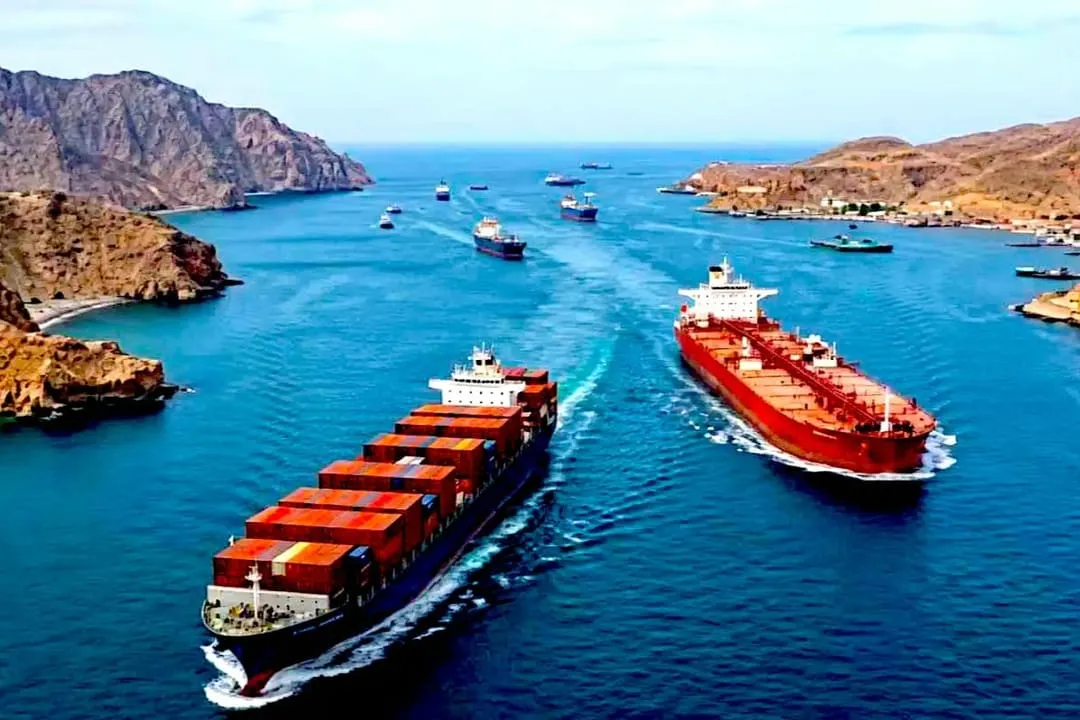
The emerging shift is clear: resilience is replacing efficiency as the dominant logic.
Businesses are:
- Building inventory buffers
- Diversifying sourcing across regions
- Exploring alternative logistics corridors
This transition comes at a cost—but increasingly, it is seen as a necessary insurance premium.
Diverging Fortunes: Winners and Losers
As in every geopolitical crisis, the economic impact is uneven.

Under pressure:
- Aviation and tourism
- Luxury retail
- Export-dependent SMEs
Relatively resilient or benefiting:
- Energy producers
- Defense and infrastructure firms
- Technology sectors tied to automation and analytics
This divergence reflects a broader truth: crises do not simply destroy value—they redistribute it.
Markets React: Capital Retreats, Then Repositions
Financial markets, ever sensitive to uncertainty, initially recoiled. Deal-making slowed, risk appetite diminished, and capital sought safer havens.
Yet history suggests—and early signals confirm—that this phase is temporary.
Capital rarely disappears; it recalibrates. Sovereign wealth funds in the Gulf, for instance, continue to pursue long-term investments, albeit with greater caution. Large-scale mergers and acquisitions, briefly stalled, are beginning to re-emerge.
The pattern is familiar: shock, pause, reposition.
Lessons from History: A Region That Bounces Back
The Middle East has been here before.
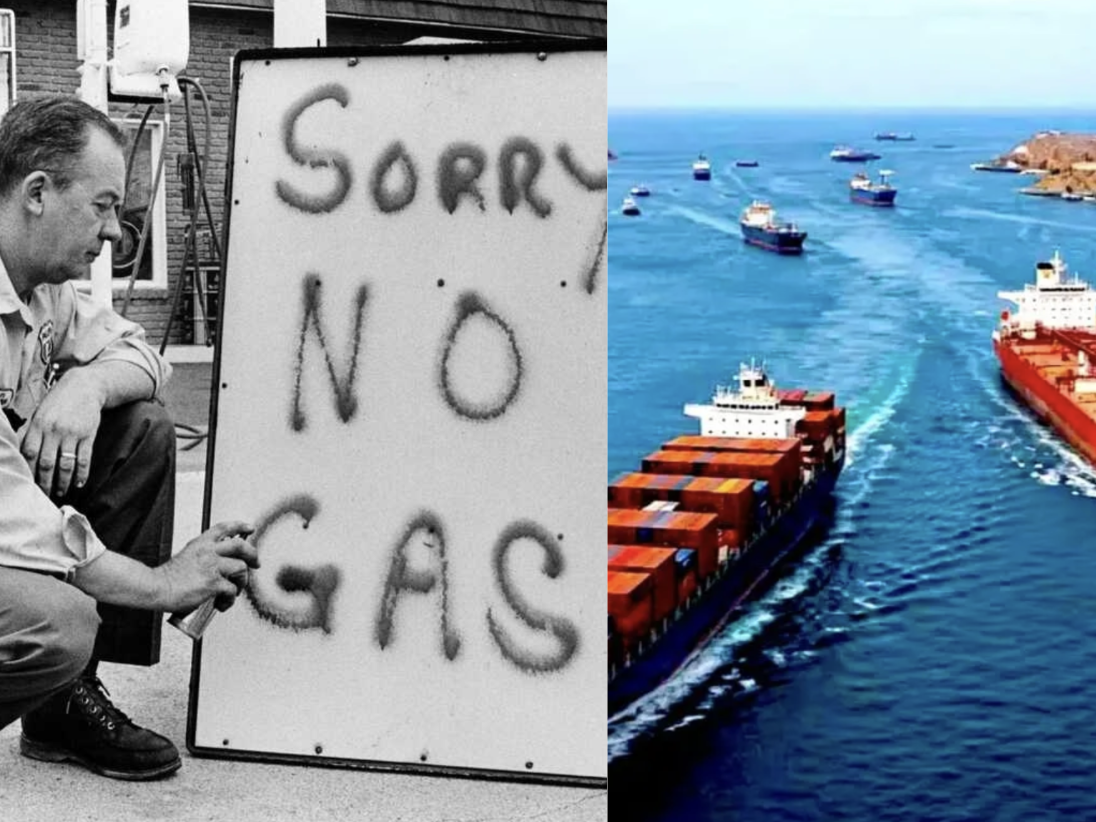
During the 1973 Oil Crisis, oil shocks triggered global inflation and forced nations to rethink energy dependence. The Gulf War in 1990 caused a sharp but short-lived market panic, followed by rapid recovery. The Iraq War in 2003 reshaped regional trade dynamics over a longer horizon.

Image: Leon Mill spray-paints a sign outside his Phillips 66 station in Perkasie, Pa., in 1973 to let his customers know he's out of gas. An oil crisis was the culprit, squeezing U.S. businesses and consumers who were forced to line up for hours at gas stations.
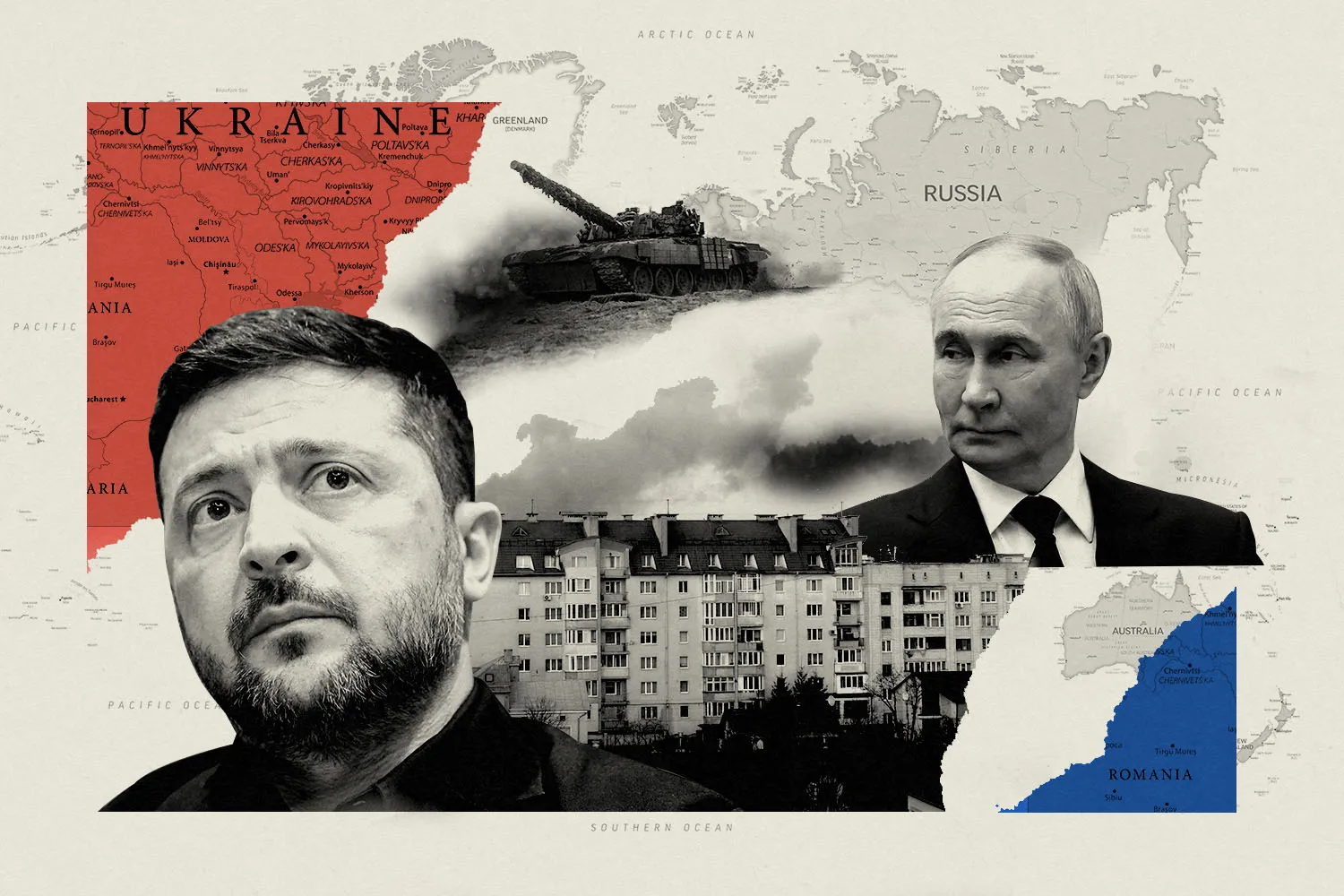
More recently, the Russia–Ukraine War underscored how modern conflicts fragment supply chains and accelerate economic regionalization.
The consistent lesson across these episodes is not that disruption can be avoided—but that recovery, while uneven, is inevitable.
Markets adapt. Trade routes shift. New equilibria emerge.
The Road Ahead: What Businesses Should Expect
In the coming months, three phases are likely:
Short term (0–3 months):
Volatility dominates. Oil prices fluctuate, shipping costs remain elevated, and consumer confidence weakens.
Medium term (3–9 months):
If tensions stabilize, trade flows gradually normalize. Inflationary pressures ease, though not entirely.
Long term (beyond a year):
Structural changes take hold—diversified supply chains, reduced reliance on chokepoints, and accelerated energy transition efforts.
For businesses, the implication is clear: this is not a temporary disruption but a catalyst for lasting change.
Also Read: Gold Reserves Explained: Impact on Government, Economy, Currency, Inflation, and Citizens
A Playbook for Resilience
The companies best positioned to navigate this environment are those that treat geopolitical risk as a core strategic variable.
Key responses include:
- Diversifying markets beyond single-region dependence
- Strengthening liquidity and working capital buffers
- Investing in supply chain visibility and flexibility
- Using financial instruments to hedge commodity and currency risk
Above all, agility becomes a competitive advantage.
Beyond the Crisis: A New Business Reality
The 2026 US–Iran conflict is, in many ways, a defining moment for global commerce. It underscores a shift that has been building for years: the return of geopolitics as a central force in economic decision-making.

For executives, investors, and policymakers, the takeaway is not simply about managing the current crisis. It is about preparing for a world where such disruptions are more frequent, more complex, and more interconnected.
In that world, success will belong not to the most efficient organizations, but to the most adaptable.
And as history has shown, those who adapt early do not just survive disruption—they shape what comes next.
By [Tommy thounaojam] Editor Micromunch

Stay updated with our latest news and articles. Join our newsletter!
Trending Now
No trending posts found.