Emirates’ $20 Million Ad Bet: How Jennifer Aniston Helped Sell the Sky
2026-04-28
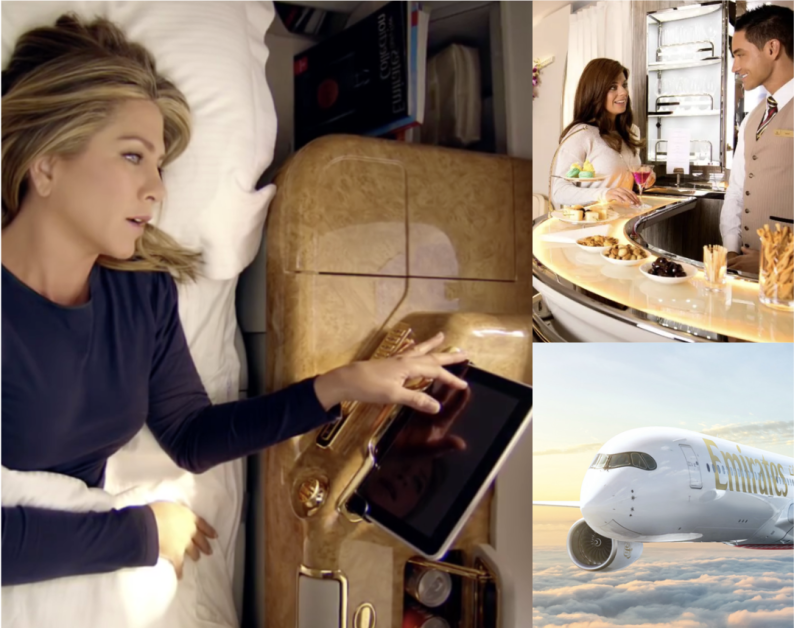
The result was a $20 million global campaign fronted by Jennifer Aniston that didn’t just advertise a product. It reframed what flying first class should feel like.
A Strategic Pivot Disguised as Comedy
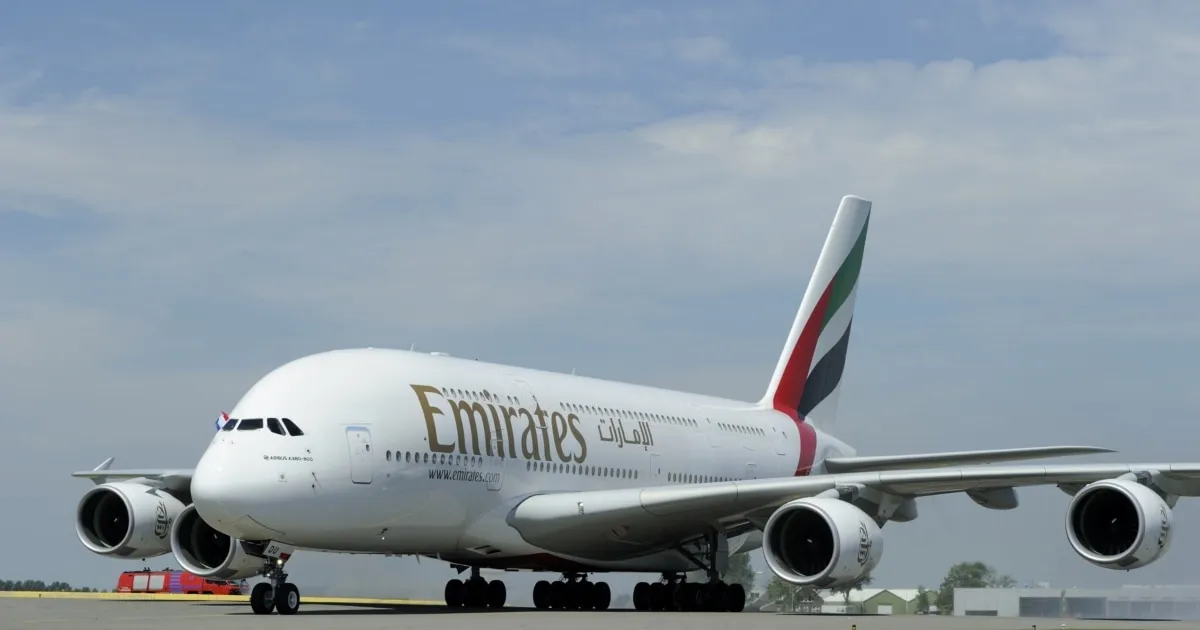
By 2015, Emirates had already invested billions into its flagship Airbus A380—complete with onboard lounges and shower spas. The challenge wasn’t building luxury. It was making people care.
Competitors such as Etihad Airways and Qatar Airways were rapidly closing the perception gap, often with sleek, cinematic campaigns of their own.
Emirates’ response: abandon the industry’s polished sameness.
The Concept: Anxiety First, Aspiration Second
Developed by RKCR/Y&R London and directed by Bryan Buckley, the campaign inverted the luxury formula.

Instead of showcasing perfection, it opened with discomfort.
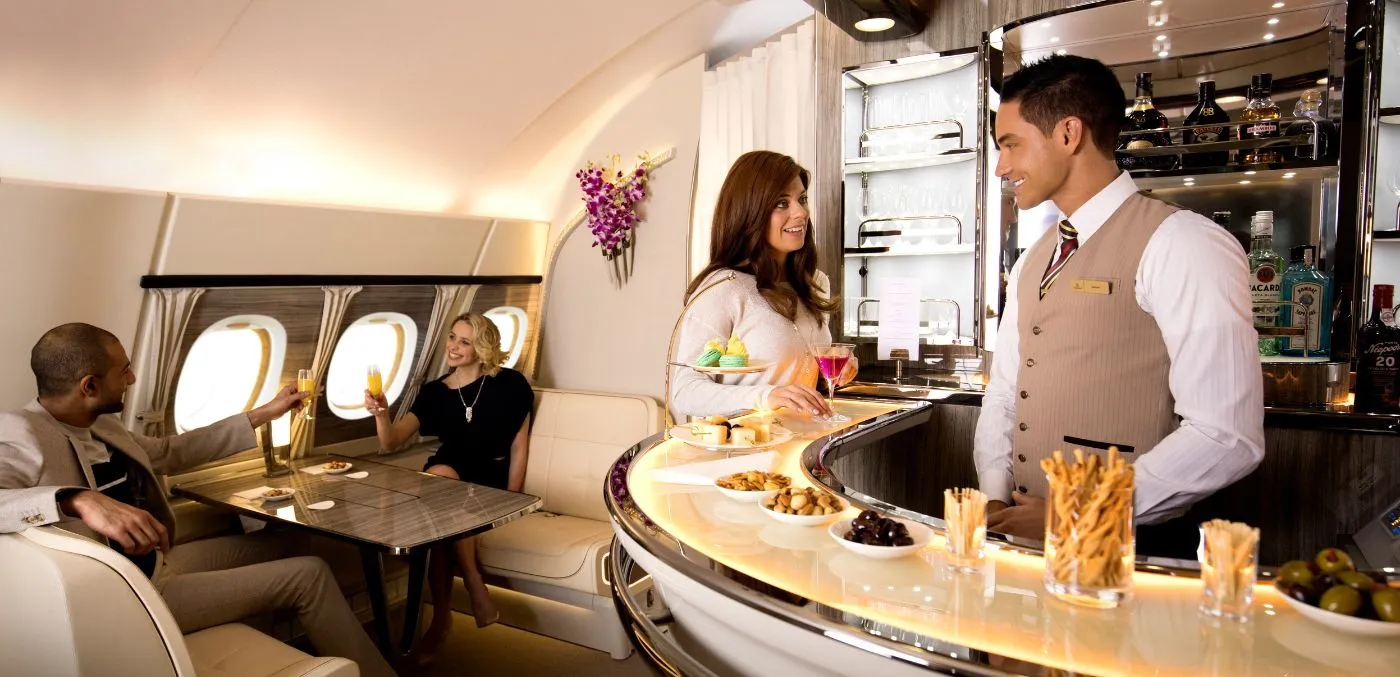
Aniston appears disoriented on a cramped, underwhelming flight—no screens, no service, no dignity. When she asks for a shower or lounge, she’s met with confusion. The punchline lands when she wakes up inside Emirates First Class, where those features aren’t absurd—they’re standard.
It was less an ad than a controlled contrast experiment.
Production Economics: Where $20 Million Goes
The price tag raised eyebrows. But the spending reflects more than airtime.
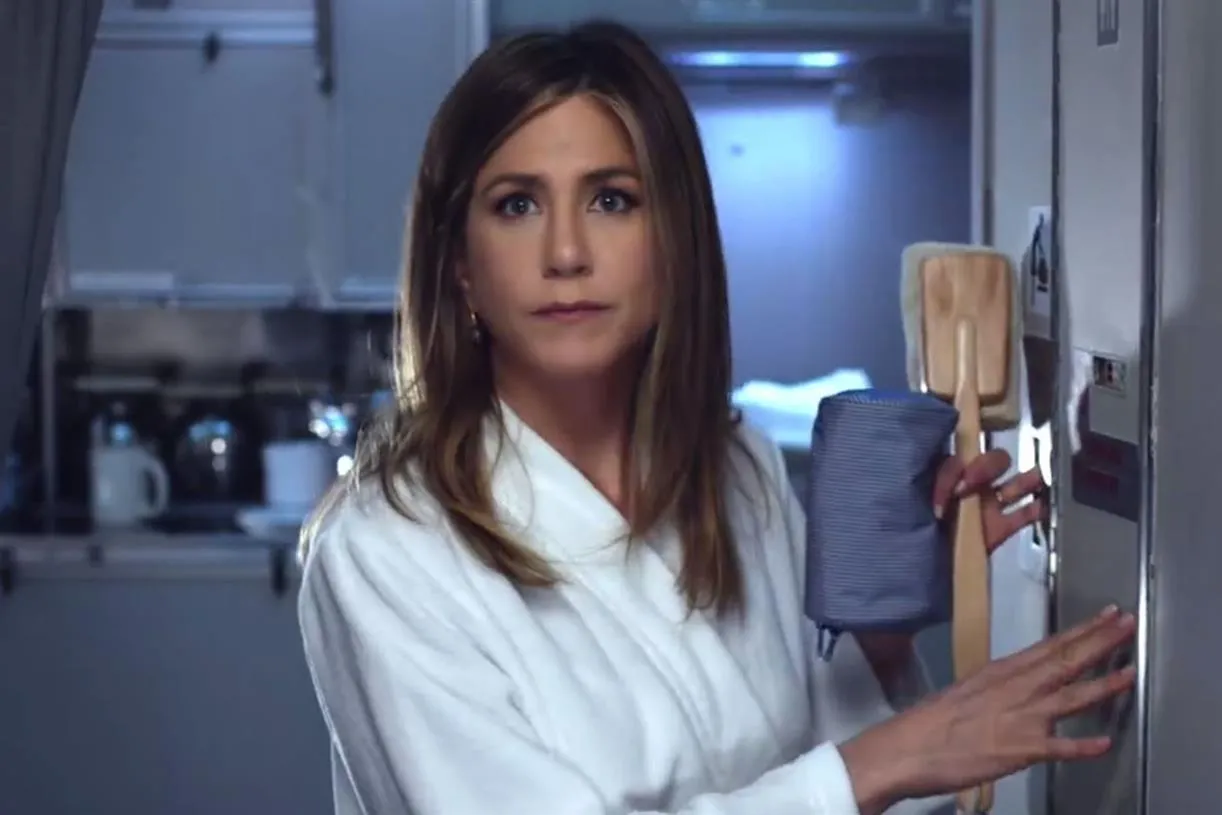
- Talent premium: Aniston reportedly earned north of $5 million
- Cinematic production: Full-scale aircraft interiors recreated on soundstages
- Global rollout: Multi-market distribution across TV, digital, and cinema
- Versioning: Localized edits tailored for international audiences
This was not a campaign designed for efficiency. It was designed for impact density.
The Sequel Strategy
After the first film gained traction online, Emirates moved quickly. A 2016 follow-up softened the tone, placing Aniston in a playful narrative with a young passenger exploring the A380.
The shift signaled confidence: the brand no longer needed contrast to prove its point. It could simply show the experience.
Market Reaction: Competing Narratives Diverge
Rivals didn’t ignore the signal—they interpreted it differently.
- Etihad Airways doubled down on cinematic luxury, favoring seriousness and prestige
- Qatar Airways emphasized innovation and emotional storytelling
What Emirates introduced—humor in a high-end category—remained largely unmatched.
Performance: Measuring What Matters
The campaign generated millions of views and widespread media coverage. But its real return wasn’t transactional.
It was perceptual.
Before the campaign, Emirates was seen as premium. After it, the airline became shorthand for effortless, almost indulgent travel.
In branding terms, it shifted from feature-led differentiation to experience-led dominance.
Was It Worth It?
From a narrow ROI lens, $20 million for a commercial is difficult to justify.
From a strategic lens, it’s easier.
The campaign:
- Reinforced Emirates’ leadership in long-haul luxury
- Elevated recall in a crowded global market
- Created a narrative competitors couldn’t easily replicate
In effect, Emirates didn’t just advertise its product. It defined the category ceiling.
The Bottom Line
Airlines typically sell routes, prices, or points. Emirates sold a feeling—and used discomfort to get there.
The Jennifer Aniston campaign endures because it understood something most luxury marketing misses:
People don’t aspire to features.
They aspire to relief from everything worse.
And Emirates made that contrast unforgettable.
By Tommy Thounaojam

Stay updated with our latest news and articles. Join our newsletter!
Trending Now
No trending posts found.